


Modern healthcare and aesthetic medicine are continuously evolving, driven by high-precision instrumentation that enhances patient outcomes. Among these sophisticated technologies, the Penumbra BMX9690SIM125 Access System stands out as a critical tool for neurovascular interventions. By providing clinicians with the stability and maneuverability required to navigate complex vascular anatomy, this system facilitates safer and more effective procedures. The integration of such advanced hardware into clinical practice ensures that medical professionals can reach challenging anatomical targets with unprecedented accuracy, ultimately improving the standards of care for patients requiring intricate vascular access.
Optimizing Clinical Precision with Advanced Access Tools
In the realm of neurovascular intervention, the ability to navigate through delicate and often tortuous blood vessels is paramount. The design philosophy behind high-performance access systems focuses on balancing flexibility, kink resistance, and trackability. These attributes allow physicians to guide catheters through the carotid artery and into distal intracranial vessels with minimal trauma to the vessel walls.
When selecting an access system, clinicians prioritize reliability and performance. The equipment must integrate seamlessly with existing diagnostic and therapeutic tools, such as aspiration catheters or stents. By utilizing specialized catheters that offer a smooth transition between different structural segments, medical teams can reduce procedure times and increase the success rate of complex interventions, including stroke management and aneurysm treatment.
Innovation in Aesthetic Rejuvenation Procedures
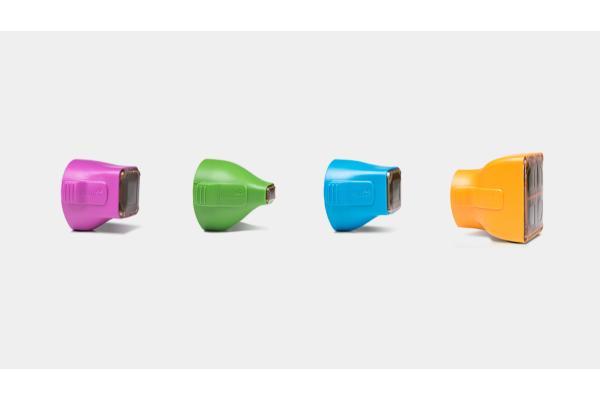
Parallel to advancements in vascular medicine, the field of non-invasive aesthetic procedures has seen remarkable growth. Central to many of these skin-tightening protocols are the Thermage FLX Treatment Tips, which serve as the delivery interface for radiofrequency energy. These components are engineered to deliver consistent heat to the deep layers of the skin, promoting collagen remodeling and resulting in a firmer, more youthful appearance. Understanding the nuances of these treatment tips is essential for practitioners aiming to deliver optimal results tailored to individual patient needs.
The Role of Consistent Energy Delivery in Dermatology
The success of radiofrequency skin tightening hinges on the controlled and uniform distribution of energy across the target area. High-quality treatment tips are designed to maintain optimal thermal profiles, ensuring that the skin surface remains protected while the subcutaneous tissue reaches the temperatures required for collagen contraction. This sophisticated balance is achieved through advanced sensor technology integrated within the tips, which monitors skin impedance in real-time.
Practitioners who master the application of these tools can achieve precise contouring on various areas, including the face, neck, and body. Because different areas of the body have varying skin thickness and sensitivity levels, the ability to adjust energy parameters through the interface of the treatment tip is a critical skill. This level of customization allows for a personalized approach that respects the patient’s anatomy while pursuing aesthetic goals effectively.
Enhancing Patient Safety Through Technological Excellence
Whether in a surgical suite or an aesthetic clinic, the common thread connecting successful patient outcomes is the reliance on high-quality, reliable equipment. Technological excellence provides the foundation for safety, allowing medical professionals to operate with confidence. In the vascular space, this means using systems that minimize the risk of vessel wall injury. In the aesthetic space, it means using components that prevent uneven energy application or excessive thermal buildup.
Manufacturers continue to invest in research and development to refine these instruments further. For access systems, this involves exploring new polymers and braiding techniques to improve structural integrity. For aesthetic devices, it involves advancing the surface geometry of treatment tips to ensure even contact and energy transfer across diverse skin textures. These ongoing improvements are what drive the steady advancement of medical technology.
Best Practices for Integrating High-Performance Tools
For healthcare facilities, integrating top-tier medical and aesthetic equipment requires more than just purchasing the hardware. It involves rigorous training for staff to ensure they fully understand the operational parameters of each device. Proper training ensures that the equipment is utilized to its full potential, extending its lifespan and maintaining its performance integrity.
Routine maintenance and adherence to manufacturer guidelines for single-use or limited-use components are also essential. For example, in neurovascular procedures, ensuring that the access catheter is properly flushed and prepared is critical to maintaining its lubricity. Similarly, in aesthetic procedures, verifying the integrity of the radiofrequency tip before application ensures that the energy delivery remains within the desired parameters throughout the session.
The Future of Targeted Medical Interventions
As we look toward the future, the trend toward increasingly targeted interventions is clear. We are moving toward a paradigm where medical devices are not only more effective but also more intuitive. Enhanced imaging integration, smarter sensors, and materials that respond dynamically to the biological environment are the next frontiers.
Both the specialized access tools used in neurovascular care and the precision tips used in aesthetic medicine represent the current gold standard in their respective fields. By focusing on the precision of these instruments, the medical community continues to push the boundaries of what is possible, enabling procedures that are less invasive, faster, and ultimately more rewarding for the patients who rely on them for their health and well-being. The synergy between high-end engineering and clinical expertise will remain the cornerstone of medical progress for years to come.
How do you foresee the integration of AI-driven diagnostics further influencing the selection and application of these specialized medical instruments in the coming years?


