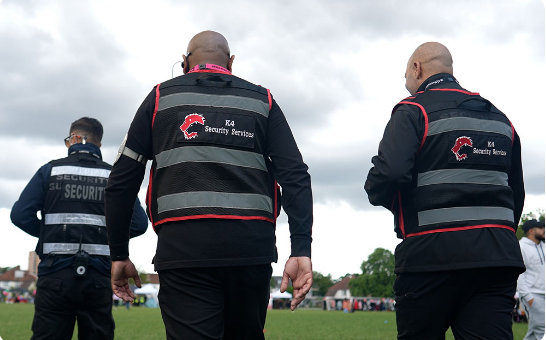
Modern buildings are becoming increasingly complex, with high-rise residential towers, mixed-use developments, and densely populated structures shaping urban life. While these buildings offer convenience and modern living standards, they also introduce serious fire safety challenges. In situations where fire systems are incomplete, under maintenance, or not fully compliant, waking watch fire safety becomes a vital solution that ensures continuous protection and monitoring.
Understanding Waking Watch Fire Safety
Waking watch fire safety is a system where trained security personnel are stationed within a building to continuously patrol and monitor for signs of fire or smoke. Unlike automated systems that rely on alarms and sensors, this approach depends on human vigilance. Security officers move through corridors, stairwells, and communal areas, ensuring that any potential danger is identified and addressed immediately.
Why It Is Needed in Modern Buildings
Modern architecture often includes high-rise structures with complex layouts, shared ventilation systems, and limited escape routes. These features can allow fire and smoke to spread quickly if not controlled early. In some cases, buildings may also have fire safety issues such as outdated alarm systems or unsafe external materials like cladding. Waking watch fire safety provides an essential layer of protection in these high-risk environments.
The Importance of Early Detection
One of the biggest advantages of waking watch fire safety is early detection. Fires can escalate rapidly, especially in high-density residential buildings. Trained personnel are able to identify early warning signs such as smoke, unusual smells, or electrical faults before they turn into serious emergencies. This early response can significantly reduce damage and save lives.
Supporting Safe Evacuation
During a fire emergency, confusion and panic can create dangerous situations. Residents may not know whether to stay inside or evacuate, especially in buildings with specific safety instructions. Waking watch security teams play a crucial role in guiding occupants safely, providing clear instructions, and ensuring that evacuation routes are followed properly. Their presence helps maintain order during emergencies.
Communication with Emergency Services
Effective fire response depends on strong communication between building occupants, management, and fire services. Waking watch teams act as a bridge between these groups. They provide real-time updates to emergency responders, report the situation on the ground, and help coordinate a faster and more effective response. This coordination can significantly improve emergency outcomes.
Preventing Fire Hazards
Waking watch fire safety is not only about responding to emergencies but also about prevention. Regular patrols allow security personnel to identify potential risks such as blocked fire exits, faulty electrical appliances, or unsafe storage of materials. By addressing these issues early, the likelihood of a fire starting or spreading is greatly reduced.
Temporary but Essential Protection
In many cases, waking watch services are introduced as a temporary measure while permanent fire safety improvements are being carried out. These may include installing sprinkler systems, upgrading fire alarms, or replacing unsafe cladding materials. During this transition period, waking watch fire safety ensures that residents remain protected and buildings remain compliant with safety regulations.
Cost and Value Consideration
Waking watch costs can vary depending on the size and complexity of the building. Larger buildings often require more personnel, which increases overall expenses. However, the cost is justified when compared to the potential risks of inadequate fire protection. It also helps building owners meet legal and regulatory fire safety requirements, avoiding penalties or enforcement actions.
The Role of Human Judgment
Although modern fire detection systems are advanced, they are not always perfect. False alarms or system failures can occur, which may lead to delayed responses or unnecessary panic. Waking watch personnel bring human judgment into the system. Their ability to assess situations in real time allows for more accurate decision-making and reduces reliance solely on technology.
Reassurance for Residents
Living in a building with known fire safety concerns can create anxiety among residents. The presence of waking watch fire safety teams provides reassurance that trained professionals are actively monitoring the environment. This constant supervision helps residents feel safer and more confident in their living conditions.
Conclusion
Waking watch fire safety plays a crucial role in protecting modern buildings, especially in situations where permanent fire safety systems are not yet fully in place. It offers continuous monitoring, rapid response, prevention of hazards, and strong communication during emergencies. As urban buildings continue to evolve, this system remains an essential part of maintaining safety, compliance, and peace of mind for residents and property managers alike.