

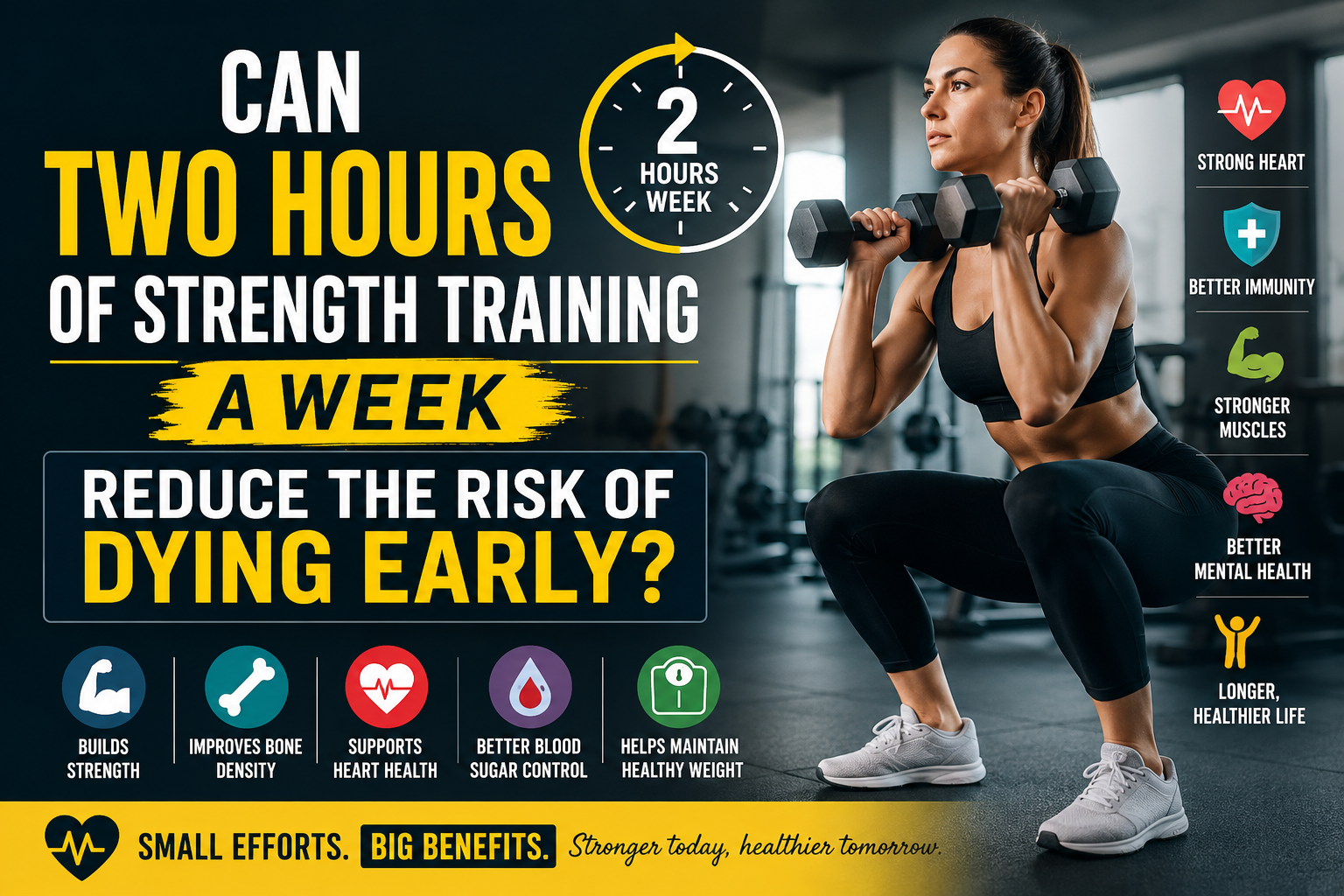
In a world where people are constantly searching for the best ways to improve their health and longevity, a growing body of research suggests that just two hours of strength training per week may significantly reduce the risk of premature death. While aerobic exercise like walking, running, and cycling has long been praised for its health benefits, experts now emphasize that strength training is equally important for maintaining a healthy body and extending lifespan.
Recent studies and latest health news reports continue to highlight the remarkable impact of resistance exercises on heart health, metabolism, bone density, and overall longevity. But can only two hours a week really make such a big difference? Let’s explore the science behind it.
What Is Strength Training?
Strength training, also known as resistance training or weight training, involves exercises that make your muscles work against resistance. This resistance can come from:
Free weights
Weight machines
Resistance bands
Bodyweight exercises
Functional fitness workouts
Common examples include:
Squats
Push-ups
Deadlifts
Lunges
Bench presses
Pull-ups
Health experts recommend performing muscle-strengthening activities at least twice per week.
The Link Between Strength Training and Longevity
Research published in leading medical journals has shown that people who engage in regular strength training exercises have a lower risk of early death compared to those who do not.
One major study involving hundreds of thousands of adults found that individuals who completed approximately 1–2 hours of resistance training per week experienced a significantly reduced risk of:
Heart disease
Cancer
Type 2 diabetes
All-cause mortality
The findings suggest that even modest amounts of strength training can provide substantial health benefits.
Why Strength Training Helps You Live Longer
1. Improves Heart Health
Many people associate cardiovascular exercise with heart health, but strength training also plays a crucial role.
Benefits include:
Lower blood pressure
Improved cholesterol levels
Better circulation
Reduced inflammation
These improvements help lower the risk of heart attacks and strokes, two major causes of premature death worldwide.
2. Preserves Muscle Mass With Age
One of the biggest challenges of aging is sarcopenia, the gradual loss of muscle mass and strength.
After age 30, adults can lose muscle mass every decade if they remain inactive. This loss can lead to:
Reduced mobility
Increased fall risk
Frailty
Loss of independence
Regular strength training workouts help maintain muscle mass, making everyday activities easier and safer.
3. Supports Healthy Weight Management
Building muscle increases the body's resting metabolic rate, meaning you burn more calories even while resting.
People who regularly perform resistance training often experience:
Better fat loss
Improved body composition
Enhanced metabolism
Maintaining a healthy weight is strongly associated with lower mortality risk.
4. Improves Blood Sugar Control
Type 2 diabetes continues to be a major global health concern.
Studies show that strength training improves insulin sensitivity and glucose regulation, helping the body manage blood sugar levels more effectively.
This can:
Reduce diabetes risk
Improve existing diabetes management
Lower complications associated with metabolic disease
Strength Training and Cancer Risk
Emerging evidence suggests that regular resistance exercise may lower the risk of certain cancers.
Researchers believe this occurs because strength training:
Reduces chronic inflammation
Improves immune system function
Helps regulate hormones
Supports healthy body weight
Several studies have linked consistent muscle-strengthening exercise with reduced cancer mortality rates.
How Much Strength Training Is Enough?
The good news is that you don't need to spend countless hours in the gym.
Research indicates that around 120 minutes per week appears to provide optimal benefits.
This can be broken down into:
Two 60-minute sessions
Four 30-minute sessions
Several shorter workouts throughout the week
Consistency matters more than duration.
Sample Weekly Plan
Monday
Squats
Push-ups
Plank
Thursday
Lunges
Resistance band rows
Shoulder presses
Each session can last 45–60 minutes and still provide substantial health benefits.
Mental Health Benefits
The benefits extend beyond physical health.
Studies show that strength training may help:
Reduce anxiety
Improve mood
Lower depression symptoms
Increase confidence
Improve sleep quality
Mental wellness is increasingly recognized as a critical factor in overall longevity and quality of life.
Bone Health and Aging
As people age, bone density naturally declines, increasing the risk of fractures and osteoporosis.
Weight-bearing exercises stimulate bone growth and help maintain bone strength.
This is particularly important for:
Women after menopause
Older adults
Individuals with a family history of osteoporosis
Stronger bones reduce injury risk and support healthy aging.
Strength Training for Older Adults
Many seniors mistakenly believe strength training is only for younger people.
In reality, it may be even more important later in life.
Benefits for older adults include:
Better balance
Improved mobility
Enhanced coordination
Reduced fall risk
Greater independence
Even people in their 70s and 80s can safely build strength with proper guidance.
Latest Health News: Experts Emphasize Strength Training
Recent latest health news reports and public health recommendations continue to emphasize the importance of muscle-strengthening activities.
Health organizations worldwide now encourage adults to combine:
Aerobic exercise
Strength training
Flexibility work
Balance exercises
This comprehensive approach delivers the greatest health and longevity benefits.
Current health news trends show increasing awareness that muscle health is a major predictor of overall health outcomes and lifespan.
Common Mistakes to Avoid
When starting a strength training program, avoid these common mistakes:
Skipping Warm-Ups
Always warm up before exercising to reduce injury risk.
Using Poor Form
Proper technique is more important than lifting heavy weights.
Training Too Much
Recovery is essential for muscle growth and repair.
Ignoring Progression
Gradually increase resistance over time to continue seeing benefits.
Neglecting Nutrition
Protein intake and balanced nutrition support muscle recovery and overall health.
Best Strength Training Exercises for Beginners
If you're new to resistance training, start with simple exercises:
Bodyweight Squats
Strengthen legs and core.
Push-Ups
Build upper-body and core strength.
Lunges
Improve balance and leg strength.
Glute Bridges
Strengthen hips and lower back.
Resistance Band Rows
Develop back and shoulder muscles.
These exercises require minimal equipment and can be performed at home.
Who Should Talk to a Doctor First?
Although strength training is safe for most people, consult a healthcare provider if you have:
Heart disease
Severe arthritis
Uncontrolled high blood pressure
Recent surgery
Significant mobility limitations
A professional can recommend the safest approach based on your health status.
Final Thoughts
The evidence is increasingly clear: just two hours of strength training per week can significantly reduce the risk of dying early while improving overall health, fitness, and quality of life.
From protecting the heart and preserving muscle mass to supporting mental wellness and reducing chronic disease risk, strength training exercises offer benefits that extend far beyond appearance.
The best part is that you don't need an expensive gym membership or hours of daily workouts. A simple, consistent routine performed a few times each week can make a meaningful difference in your long-term health.
As highlighted by the latest health news and scientific research, building strength may be one of the most effective investments you can make for a longer, healthier, and more active life.
