The recent ebola outbreak in the Democratic Republic of the Congo (DRC) and Uganda has once again raised global concerns about infectious diseases and public health preparedness. Health authorities, governments, and international organizations are working tirelessly to contain the spread of the disease and protect vulnerable communities. The return of Ebola serves as a reminder that deadly viral diseases continue to threaten populations, especially in regions with limited healthcare infrastructure.
Understanding Ebola and Its History
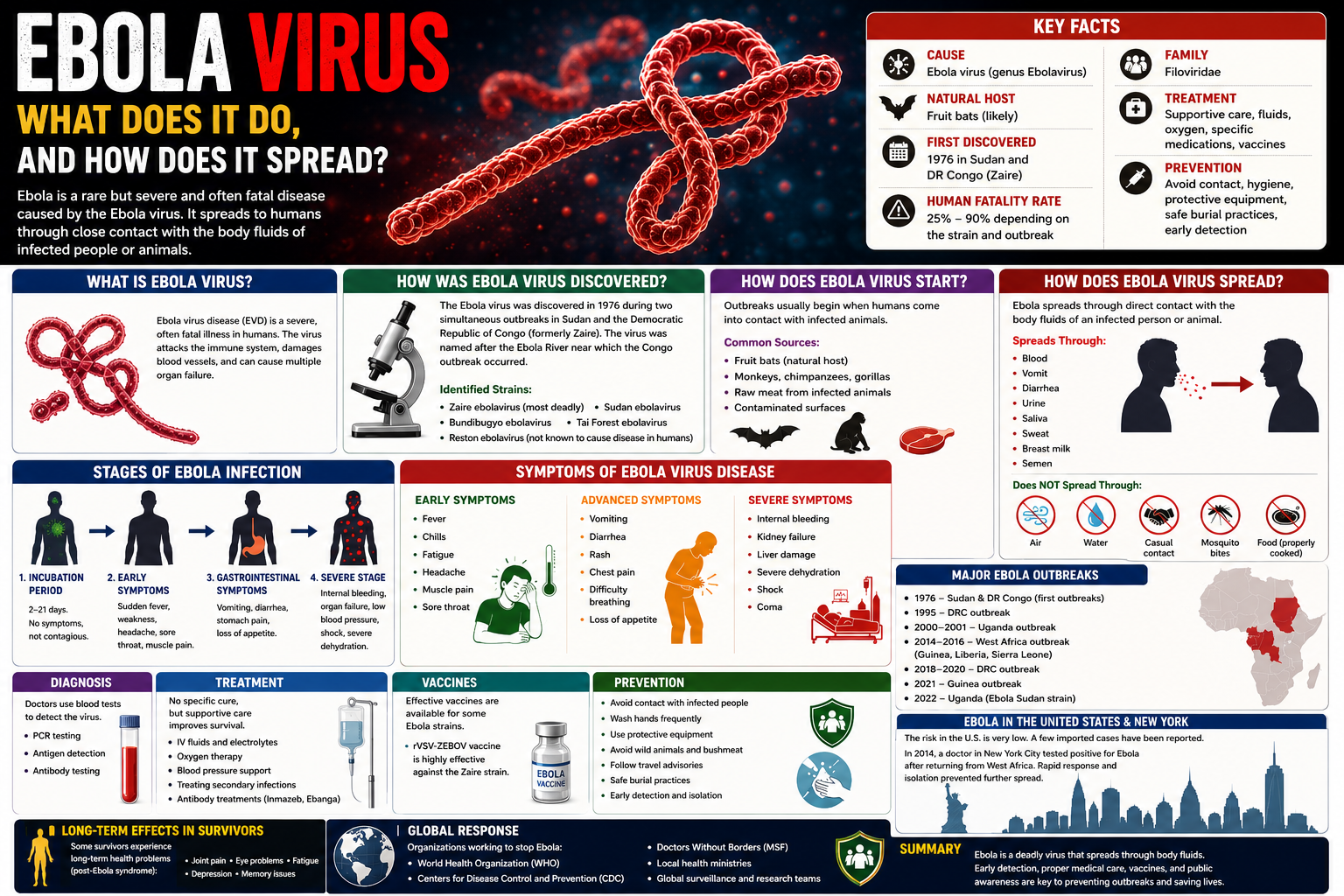
To understand the seriousness of the current crisis, it is important to first understand what is ebola and how it affects the human body. Ebola is a severe and often fatal disease caused by a group of viruses belonging to the Filoviridae family. The disease was first identified in 1976 near the Ebola River in the Democratic Republic of the Congo.
The disease quickly became known for its high fatality rate and terrifying symptoms. Since then, several outbreaks have occurred across African countries, particularly in Central and West Africa. Many people still ask, what is ebola virus and why it is considered so dangerous.
Simply put, the ebola virus attacks the immune system and damages blood vessels, leading to internal bleeding, organ failure, and in many cases death. The virus spreads through direct contact with bodily fluids of infected individuals or contaminated surfaces.
Scientists continue researching what ebola virus does at the cellular level in hopes of developing better treatments and vaccines. Understanding the biology of the virus is essential for preventing future epidemics.
Current Situation in the Democratic Republic of the Congo
The Democratic Republic of the Congo has experienced multiple Ebola outbreaks over the past decades. The country’s dense forests, remote villages, and fragile healthcare systems make disease control especially difficult. The recent ebola virus outbreak has once again put enormous pressure on healthcare workers and local communities.
In eastern regions of the DRC, health officials have reported new infections and deaths linked to ebola virus disease. Medical teams are conducting contact tracing, isolating infected patients, and vaccinating high-risk populations to stop transmission.
The affected areas in the north and south regions of the country face unique challenges. Rural communities often lack access to hospitals, while misinformation and fear sometimes discourage people from seeking treatment. Some communities remain skeptical of health workers due to past political conflicts and distrust of authorities.
During this recent outbreak, several healthcare workers were also infected while treating patients. This highlights the dangerous conditions medical professionals face during Ebola emergencies. Protective equipment, proper sanitation, and rapid testing remain essential in controlling the spread.
Uganda’s Ebola Emergency
Uganda has also battled recurring Ebola cases over the years. The country shares borders with the Democratic Republic of the Congo, making cross-border transmission a major concern. Health officials in Uganda have implemented screening measures at border crossings and airports to prevent infected individuals from spreading the disease.
The recent ebola outbreak in Uganda has prompted emergency responses from both national and international health agencies. Surveillance teams are actively monitoring communities where suspected cases have appeared.
Uganda’s Ministry of Health has increased public awareness campaigns to educate people about symptoms, prevention, and early treatment. Communities in both urban and rural areas are being urged to report suspected cases immediately.
Experts emphasize that fast response times are critical during an outbreak. Delays in diagnosis can allow the virus to spread rapidly among families and healthcare workers.
What Causes Ebola?
Many people still wonder, what is the ebola virus and where it comes from. Scientists believe fruit bats are the natural hosts of Ebola viruses. The disease may spread to humans through contact with infected animals such as bats, monkeys, or chimpanzees.
Once a human becomes infected, the virus spreads through direct contact with bodily fluids including blood, saliva, sweat, urine, vomit, or semen. This is why caregiving and burial practices often contribute to transmission during outbreaks.
Some people ask, is ebola a virus similar to the flu or COVID-19. While all are viral diseases, Ebola is far more deadly and spreads differently. Unlike respiratory viruses, Ebola primarily spreads through physical contact with infected fluids rather than airborne transmission.
Symptoms of Ebola Virus Disease
Recognizing symptoms early is essential for survival and containment. Ebola virus disease typically begins with symptoms similar to common infections, making early diagnosis challenging.
Common symptoms include:
Fever
Severe headache
Muscle pain
Weakness
Fatigue
Sore throat
Vomiting
Diarrhea
Rash
Internal and external bleeding
As the disease progresses, patients may experience severe dehydration, organ failure, and shock. Without prompt medical care, Ebola can become fatal within days.
Health experts stress that anyone showing symptoms after contact with an infected individual should seek immediate medical attention.
Why Ebola Outbreaks Continue to Happen
Repeated ebola virus outbreak events in Central Africa highlight ongoing weaknesses in healthcare systems and disease surveillance. Several factors contribute to recurring Ebola emergencies.
1. Limited Healthcare Infrastructure
Many affected regions lack hospitals, laboratories, and trained medical staff. Rural communities may be located hours away from healthcare facilities, delaying diagnosis and treatment.
2. Political Instability
Conflict and violence in some regions of the DRC make it difficult for health workers to safely reach affected populations. Armed groups sometimes disrupt medical operations.
3. Cultural Practices
Traditional burial rituals involving direct contact with deceased individuals can increase transmission risk during an outbreak.
4. Wildlife Interaction
Human interaction with wildlife in forested areas increases the likelihood of zoonotic transmission from animals to humans.
5. Misinformation
False rumors and fear often spread during outbreaks. Some communities distrust vaccines or avoid treatment centers due to misconceptions about the disease.
Global Response to the Ebola Crisis
International organizations such as the World Health Organization (WHO), UNICEF, and Doctors Without Borders are heavily involved in responding to the current ebola outbreak.
Their efforts include:
Deploying emergency medical teams
Providing vaccines
Establishing treatment centers
Conducting public awareness campaigns
Training local healthcare workers
Monitoring cross-border transmission
Vaccination campaigns have become one of the most effective tools against the ebola virus. The rVSV-ZEBOV vaccine has shown strong protection against certain Ebola strains and is being used in ring vaccination strategies.
Under this strategy, contacts of infected individuals and frontline healthcare workers receive vaccines to prevent further spread.
The Role of Vaccines
Vaccines have significantly improved the fight against ebola virus disease. Before vaccines became available, outbreaks often spiraled out of control. Today, rapid vaccination campaigns can dramatically reduce transmission.
However, logistical challenges remain. Vaccines must often be transported through difficult terrain and stored at extremely cold temperatures. In conflict zones, delivering vaccines safely becomes even harder.
Despite these obstacles, vaccines are saving lives and helping contain the latest ebola virus outbreak.
Economic and Social Impact
Beyond health consequences, Ebola outbreaks create severe economic and social disruption. Businesses close, schools shut down, and travel restrictions affect trade and tourism.
Families who lose loved ones face emotional trauma and financial hardship. Healthcare systems already struggling with other diseases become overwhelmed.
Communities in the north and south regions of affected countries often experience long-term setbacks after major outbreaks. Farmers may abandon fields, markets close, and fear spreads throughout society.
Children orphaned by Ebola may lose access to education and support systems. Survivors sometimes face social stigma even after recovery.
The Importance of Public Awareness
Education plays a crucial role in controlling an outbreak. Public awareness campaigns help people understand how the virus spreads and how to protect themselves.
Key prevention measures include:
Avoiding contact with infected individuals
Washing hands frequently
Using protective equipment
Reporting symptoms early
Avoiding unsafe burial practices
Following health authority guidance
Understanding what is ebola virus and how it spreads can save lives. Communities that receive accurate information are more likely to cooperate with health officials.
Challenges Facing Healthcare Workers
Frontline healthcare workers face enormous risks during Ebola emergencies. Many doctors and nurses work long hours in dangerous conditions while wearing heavy protective equipment.
Exposure to infected bodily fluids can easily occur if safety protocols are not followed precisely. During previous outbreaks, hundreds of healthcare workers lost their lives.
Medical teams responding to the latest ebola outbreak continue to demonstrate extraordinary courage and dedication despite the dangers involved.
Can Ebola Be Treated?
While there is no simple cure for Ebola, supportive medical care greatly improves survival rates. Treatment may include:
Intravenous fluids
Electrolyte replacement
Oxygen therapy
Blood pressure support
Treatment of secondary infections
New antiviral medications have also shown promise in treating ebola virus disease. Early diagnosis and treatment are critical for improving outcomes.
Researchers continue developing better therapies and vaccines to combat future outbreaks.
Preventing Future Ebola Outbreaks
Preventing future ebola virus outbreak events requires long-term investment in healthcare infrastructure and disease surveillance.
Governments and international organizations must focus on:
Strengthening laboratories
Training healthcare workers
Improving sanitation systems
Expanding vaccination programs
Supporting scientific research
Building community trust
Cross-border cooperation between African nations is also essential. Diseases do not respect national boundaries, making regional collaboration vital during an outbreak.
Lessons From Previous Ebola Crises
The devastating West African Ebola epidemic between 2014 and 2016 taught the world valuable lessons about outbreak preparedness. More than 11,000 people died during that crisis, making it the deadliest Ebola epidemic in history.
Since then, health agencies have improved emergency response systems, vaccine development, and international coordination. The current response in the Democratic Republic of the Congo and Uganda benefits from these lessons learned.
However, continued vigilance is necessary because the ebola virus remains a serious global health threat.
Conclusion
The ongoing ebola outbreak in the Democratic Republic of the Congo and Uganda highlights the urgent need for strong healthcare systems, rapid emergency response, and public education. Understanding what is ebola, what is ebola virus, and how the disease spreads is essential for preventing future crises.
Although vaccines and treatments have improved significantly, challenges such as poverty, conflict, and weak healthcare infrastructure continue to complicate containment efforts. The fight against ebola virus disease requires cooperation between governments, healthcare workers, scientists, and local communities.
As the world watches developments in the affected north and south regions, one thing remains clear: preparedness and early action are the best defenses against another devastating outbreak.