



The Dubai property market has been one of the most talked-about real estate stories in recent years. After a strong period of rapid growth, current trends suggest that the market is now entering a more balanced phase. This shift is being widely described as stabilization, where prices are no longer rising as sharply, but demand remains steady.
For anyone interested in real estate Dubai opportunities, this phase is important because it often signals a healthier and more sustainable market cycle.
What Does Market Stabilization Mean?
When experts say the Dubai real estate market is stabilizing, they mean that price growth is slowing down after a strong upward trend. Instead of rapid increases, prices are now moving at a more normal and steady pace.
This does not mean the market is falling. Instead, it shows that the market is adjusting after years of strong demand and new project launches.
In simple terms, stabilization means:
- Prices are leveling out
- Demand remains consistent
- Supply is increasing in some areas
- Market activity is becoming more balanced
Why Is the Dubai Market Stabilizing?

There are several reasons behind this shift in real estate Dubai trends.
1. Increased housing supply
Dubai has seen a large number of new residential projects being launched and completed. This includes apartments, villas, and off-plan developments. As more properties become available, buyers have more choices, which naturally slows down rapid price increases.
2. Strong previous growth
Over the past few years, Dubai property prices increased significantly. In some prime areas, reports from Gulf News and Khaleej Times suggest growth of around 20%–40% in certain segments. After such a strong rise, a slowdown is expected.
3. Global economic conditions
International economic uncertainty also affects investor sentiment. When global markets slow down, some investors become more cautious about buying property for sale in Dubai.
Is Demand Still Strong?
Yes, demand is still strong despite stabilization trends. Many investors continue to explore Dubai real estate for sale because of its long-term advantages.
These include:
- Tax-friendly investment environment
- High rental income potential
- Safe and regulated property laws
- Strong population growth
- Continuous tourism and business expansion
This means even though price growth is slower, interest in properties for sale in Dubai remains steady.
What Is Happening With Prices?

Prices in the Dubai property market are no longer rising at the same speed as before. Instead, they are moving in a more stable pattern.
Some areas are still seeing slight growth, while others are holding steady due to increased supply.
Current trends suggest:
- Prime areas remain stable
- Mid-range communities are balancing out
- Off-plan projects are absorbing most new demand
This is important for anyone planning to buy real estate in Dubai, because timing and location now matter more than before.
Rental Market Performance
Even during stabilization, the rental market remains strong. Many investors are still earning solid returns from real estate for sale in Dubai.
Typical rental yields remain competitive compared to global cities:
- Around 5%–9% annually in many residential areas
- Higher returns in short-term rental hotspots
- Strong demand from expatriates and tourists
This makes Dubai attractive for people looking for income-generating properties.
What This Means for Buyers
For buyers searching for property for sale in Dubai, stabilization can actually be a positive sign.
It means:
- Less risk of overpaying during rapid price spikes
- More negotiation opportunities
- Wider selection of available units
- More realistic pricing across communities
Instead of rushing into a rising market, buyers now have time to make more informed decisions.
Opportunities in the Current Market
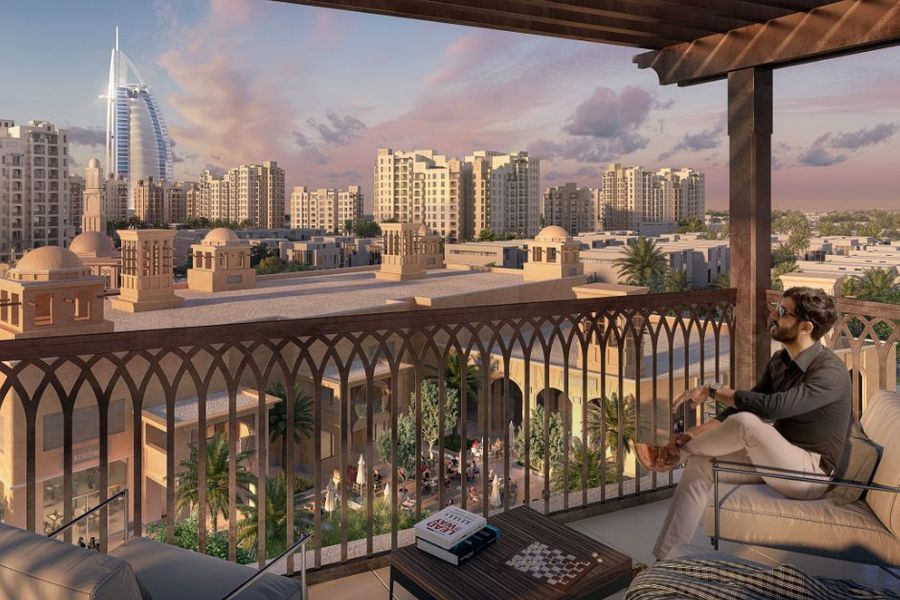
Even in a stabilizing phase, there are still strong opportunities in real estate Dubai.
Some of the key opportunities include:
- Off-plan properties with flexible payment plans
- Long-term rental investments
- Mid-income residential communities
- Waterfront and family-friendly areas
Developers continue to launch new projects, keeping the market active and competitive.
Risks to Consider
While stabilization is generally healthy, buyers should still be aware of some risks:
- Certain areas may experience slower price growth
- Oversupply in specific communities
- Global economic changes affecting investor confidence
- Interest rate fluctuations impacting mortgages
Understanding these risks is important before entering the real estate Dubai market.
Future Outlook of Dubai Real Estate
The long-term outlook for Dubai remains positive. The city continues to attract international residents, businesses, and tourists, which supports housing demand.
Government initiatives, infrastructure development, and investor-friendly policies are expected to keep the market stable over time.
Experts quoted in UAE media suggest that stabilization is part of a natural cycle after rapid expansion, rather than a sign of weakness.
Conclusion
The Dubai real estate market is clearly moving into a stabilization phase. Prices are no longer rising aggressively, but demand remains healthy and consistent.
For buyers and investors, this is often considered a more balanced and less risky phase of the market cycle. Whether you are looking at dubai real estate for sale or planning to buy real estate in Dubai, this period offers more clarity, better choices, and more sustainable pricing.
FAQs
Is Dubai real estate still a good investment in a stable market?
Yes, stability often reduces risk and creates better long-term investment opportunities.
Are property prices falling in Dubai?
Not generally. Prices are stabilizing, with slower growth rather than sharp declines.
Can foreigners buy property in Dubai?
Yes, foreigners can freely buy property in designated freehold areas.
Are rental returns still strong?
Yes, rental yields typically range from 5% to 9% depending on location and property type.
Is now a good time to enter the market?
Yes, stabilization often gives buyers more time, better pricing options, and reduced competition.


