

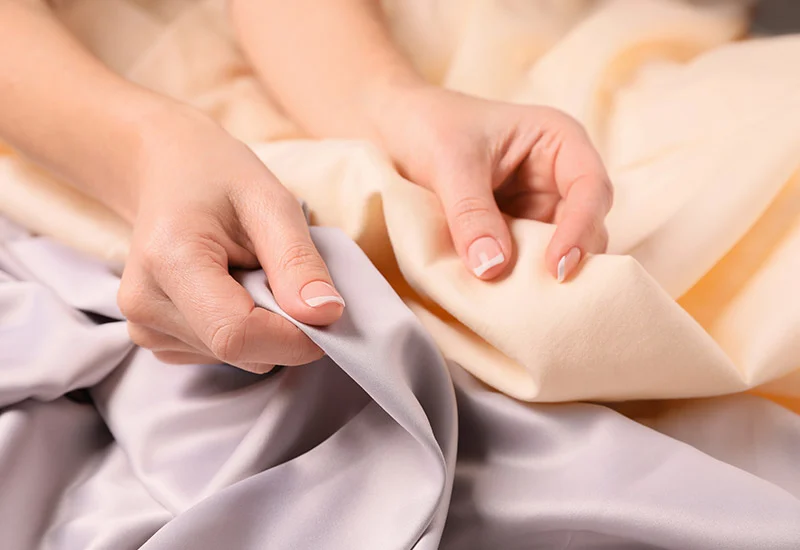
Softest Fabric Apparel: The Ultimate Guide to Luxurious Comfort and Premium Quality
Introduction to the Softest Fabric Apparel
In the world of modern fashion, softness is no longer a luxury—it is an expectation. We prioritize comfort alongside style, seeking garments that feel like a second skin while maintaining durability and elegance. The demand for softest fabric apparel has grown significantly, driven by innovation in textile engineering and a deeper understanding of consumer needs.
We explore the finest fabrics known for their exceptional softness, breathability, and versatility. From everyday essentials to high-end fashion, these materials define the standard of ultimate comfort and softest clothing material.
What Defines the Softest Fabric Apparel?
The softness of fabric is determined by several factors, including fiber type, weave structure, and finishing techniques. We identify fabrics that offer:
- Ultra-smooth texture
- High breathability
- Moisture-wicking properties
- Durability with a gentle touch
- Skin-friendly composition
The combination of these elements results in apparel that delivers both luxury and practicality.
Top Softest Fabrics Used in Apparel
1. Cotton: The Timeless Softness Standard
Cotton remains the most popular soft fabric globally, valued for its natural fibers and breathable qualities. Premium variations such as:
- Egyptian Cotton
- Pima Cotton
- Organic Cotton
offer enhanced smoothness and long-lasting softness. Cotton apparel is ideal for daily wear, providing a gentle touch against the skin without irritation.
2. Bamboo Fabric: Sustainable and Silky Smooth
Bamboo fabric has revolutionized soft apparel with its naturally silky texture and eco-friendly production. It is:
- Hypoallergenic
- Moisture-absorbing
- Antibacterial
We consider bamboo apparel as one of the softest sustainable clothing options, perfect for sensitive skin and all-day comfort.
3. Modal Fabric: Luxury Meets Performance
Modal is a semi-synthetic fiber derived from beech trees. Known for its feather-soft texture, modal offers:
- Exceptional smoothness
- Resistance to shrinking
- Long-lasting softness after multiple washes
Modal garments maintain their shape while providing a luxurious drape and feel, making them ideal for loungewear and undergarments.
4. Silk: The Epitome of Luxury Softness
Silk stands as the ultimate symbol of softness and elegance. Its natural protein fibers create a smooth, glossy surface that glides over the skin.
Benefits include:
- Temperature regulation
- Lightweight feel
- Natural sheen
Silk apparel is synonymous with premium fashion and indulgent comfort.
5. Cashmere: Supreme Softness and Warmth
Cashmere is one of the softest and most luxurious natural fibers, sourced from fine goat undercoats. It offers:
- Unmatched softness
- Lightweight insulation
- High-end appeal
We recognize cashmere apparel as a premium investment in comfort and sophistication.
6. Microfiber: Modern Softness Technology
Microfiber fabrics are engineered for extreme softness and durability. These ultra-fine synthetic fibers provide:
- Velvety texture
- Wrinkle resistance
- Lightweight performance
Microfiber apparel is widely used in activewear and casual clothing, offering a balance between softness and functionality.
7. Jersey Knit: Stretchable and Soft Everyday Wear
Jersey knit fabric is widely known for its soft texture and flexibility. Commonly used in t-shirts and dresses, it delivers:
- Stretchability
- Comfort fit
- Smooth finish
We rely on jersey knit for comfortable, versatile apparel suitable for all seasons.
Benefits of Wearing Soft Fabric Apparel
Enhanced Comfort and Skin Protection
Soft fabrics reduce friction against the skin, preventing irritation and ensuring all-day comfort. This is particularly important for individuals with sensitive skin conditions.
Improved Breathability and Temperature Control
The softest fabrics often allow better airflow, helping regulate body temperature. This ensures coolness in summer and warmth in winter, depending on the fabric type.
Durability Without Compromising Softness
Modern textile advancements ensure that soft fabrics are not only comfortable but also long-lasting and resilient.
Luxury Feel with Everyday Functionality
Soft apparel combines premium aesthetics with practical usability, making it suitable for both casual and formal settings.
Best Uses of Soft Fabric Apparel
Loungewear and Sleepwear
Soft fabrics like modal and bamboo are perfect for relaxation and sleep, offering unmatched comfort from wholesale clothing manufacturers.
Activewear and Athleisure
Microfiber and jersey knit fabrics provide flexibility and softness, ideal for workouts and daily movement.
Formal and Luxury Clothing
Silk and cashmere dominate high-end fashion, delivering elegance with a soft touch.
Baby Clothing and Sensitive Wear
Soft fabrics are essential for delicate skin, ensuring safety and comfort for infants and individuals with allergies.
How to Choose the Softest Fabric Apparel
We recommend considering the following when selecting soft clothing:
- Fabric composition: Natural fibers tend to be softer and more breathable.
- Thread count and weave: A higher thread count often means a smoother texture.
- Finishing process: Brushed or pre-washed fabrics enhance softness.
- Purpose of use: Choose fabric based on activity and climate.
Care Tips to Maintain Fabric Softness
To preserve the softness of apparel:
- Use mild detergents
- Avoid excessive heat during washing and drying
- Opt for air drying when possible
- Store garments properly to prevent fiber damage
Maintaining fabric quality ensures long-lasting softness and durability.
Future Trends in Soft Fabric Apparel
The textile industry continues to innovate, focusing on:
- Eco-friendly soft fabrics
- Smart textiles with enhanced comfort features
- Recycled materials with premium softness
- Advanced fiber engineering for ultra-soft performance
We anticipate a rise in sustainable softness, where comfort meets environmental responsibility.
Conclusion
Soft fabric apparel represents the perfect balance of comfort, style, and innovation. From natural fibers like cotton and silk to advanced materials like modal and microfiber, the options are vast and versatile.
We embrace the evolution of textiles that prioritize gentle touch, durability, and aesthetic appeal, ensuring every garment delivers a superior wearing experience. Investing in the softest fabrics transforms everyday clothing into a luxurious comfort essential, redefining how we experience fashion.


