

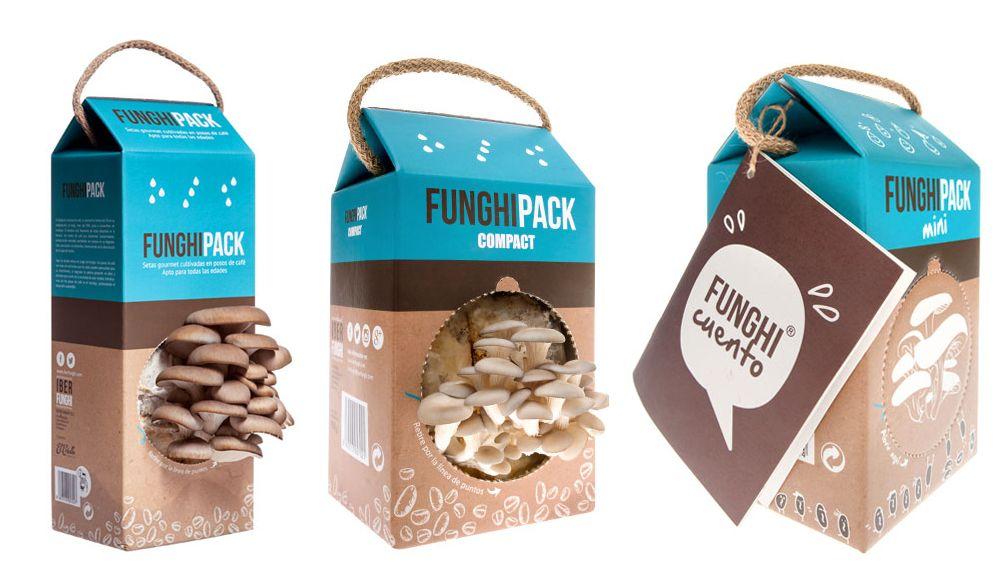
Mushroom Packaging: The Future of Sustainable, High-Performance Packaging Solutions
Introduction to Mushroom Packaging Innovation
We are witnessing a powerful shift in the global packaging industry, where sustainability, performance, and cost-efficiency converge to redefine how products are protected and presented. Mushroom packaging has emerged as a groundbreaking alternative to traditional materials such as plastic and Styrofoam. Engineered using mycelium, the root structure of fungi, this innovative solution delivers unmatched environmental benefits without compromising durability or functionality.
Our exploration into sustainable polkadot mushroom packaging reveals a material that is not only biodegradable but also customizable, scalable, and highly efficient for modern supply chains. Businesses seeking eco-friendly solutions are rapidly adopting this technology to align with global sustainability goals and consumer expectations.
What Is Mushroom Packaging?
Mushroom packaging is a bio-based material created by combining agricultural waste—such as corn husks or hemp fibers—with mycelium, the natural binding agent. As the mycelium grows, it forms a dense, durable structure that can be molded into virtually any shape.
Once fully formed, the material is heat-treated to stop growth, resulting in a lightweight, compostable, and shock-absorbent packaging solution. This process requires significantly less energy compared to synthetic materials, making it a highly efficient production method.
Key Benefits of Mushroom Packaging
1. 100% Biodegradable and Compostable
We prioritize sustainability, and mushroom packaging excels in this area. It decomposes naturally within 30 to 90 days, leaving no toxic residue behind. Unlike plastic, it does not contribute to landfill accumulation or ocean pollution.
2. Superior Shock Absorption
The fibrous structure of mycelium provides exceptional cushioning properties, making it ideal for protecting fragile items such as electronics, glassware, and cosmetics.
3. Customizable Design and Shape
Mushroom packaging can be grown into precise molds, eliminating the need for excessive cutting or shaping. This allows for tailored packaging solutions that perfectly fit products, reducing material waste.
4. Thermal and Fire Resistance
This material offers natural insulation and is inherently flame-resistant, adding an extra layer of protection during storage and transportation.
5. Renewable and Sustainable Raw Materials
We utilize agricultural byproducts that would otherwise go to waste. This not only reduces environmental impact but also supports a circular economy.
Applications of Mushroom Packaging Across Industries
Electronics Packaging
Delicate devices require high levels of protection. Mushroom packaging provides impact resistance comparable to foam, ensuring safe transit without environmental harm.
Food and Beverage Industry
We see increasing use in food-safe containers, takeaway boxes, and insulated packaging. Its non-toxic composition makes it suitable for direct contact with food products.
Cosmetics and Luxury Goods
Brands are adopting mushroom packaging to enhance their eco-friendly branding while maintaining a premium look and feel.
Furniture and Home Goods
Large and heavy items benefit from the structural strength and cushioning of mycelium-based packaging.
Manufacturing Process of Mushroom Packaging
Step 1: Raw Material Preparation
We begin with organic agricultural waste, which is cleaned and prepared as the base substrate.
Step 2: Mycelium Inoculation
The substrate is inoculated with mycelium spores, initiating the natural growth process.
Step 3: Molding and Growth
The mixture is placed into molds where the mycelium grows and binds the material into the desired shape over several days.
Step 4: Heat Treatment
Once the structure is fully formed, it is heat-treated to stop growth, ensuring stability and durability.
Step 5: Finishing and Quality Control
We finalize the product through trimming and inspection, ensuring it meets industry standards for performance and safety.
Why Businesses Are Switching to Mushroom Packaging
Eco-Conscious Branding
Consumers increasingly demand sustainable products, and packaging plays a critical role in brand perception. Mushroom packaging enhances brand credibility and environmental responsibility.
Cost Efficiency Over Time
While initial costs may be comparable to traditional materials, the long-term benefits include reduced waste management expenses and potential tax incentives for sustainable practices.
Regulatory Compliance
Governments worldwide are implementing stricter regulations on plastic usage. Mushroom packaging ensures compliance with environmental laws and reduces legal risks.
Enhanced Customer Experience
The unique texture and appearance of mushroom packaging create a memorable unboxing experience, adding value beyond protection.
Mushroom Packaging vs Traditional Packaging Materials
| Feature | Mushroom Packaging | Plastic | Styrofoam |
|---|---|---|---|
| Biodegradability | Fully biodegradable | Non-biodegradable | Non-biodegradable |
| Environmental Impact | Minimal | High | Very High |
| Customization | Highly customizable | Moderate | Limited |
| Cost Efficiency | Competitive | Low initial cost | Low initial cost |
| Durability | High | High | Moderate |
We clearly see that mushroom packaging offers a balanced combination of sustainability and performance, outperforming traditional materials in critical areas.
Challenges and Considerations
Production Scalability
While rapidly growing, large-scale production still requires infrastructure investment. However, advancements in technology are continuously improving scalability.
Moisture Sensitivity
Mushroom packaging can be affected by prolonged exposure to moisture. Proper storage and coating solutions help mitigate this issue.
Consumer Awareness
Educating consumers about the benefits and usability of mushroom packaging remains essential for widespread adoption of customized packaging design.
Future of Mushroom Packaging
We are entering an era where bio-fabrication will redefine manufacturing. Mushroom packaging is at the forefront of this transformation, with ongoing innovations enhancing its strength, flexibility, and versatility.
Emerging developments include:
- Water-resistant coatings
- Enhanced structural designs
- Integration with smart packaging technologies
As sustainability becomes a global priority, mushroom packaging is poised to become a mainstream solution across industries.
How to Choose the Right Mushroom Packaging Supplier
When selecting a supplier, we focus on:
- Material quality and consistency
- Customization capabilities
- Production capacity
- Sustainability certifications
- Cost transparency
Partnering with the right manufacturer ensures optimal performance and long-term value.
Conclusion
Mushroom packaging represents a revolutionary advancement in sustainable packaging solutions. Its ability to combine environmental responsibility, durability, and customization makes it a superior alternative to traditional materials. As businesses continue to prioritize eco-friendly practices, adopting mushroom packaging is not just an option—it is a strategic necessity for future growth.
By embracing this innovative material, we position ourselves at the forefront of a sustainable packaging revolution, delivering value to both consumers and the planet.


