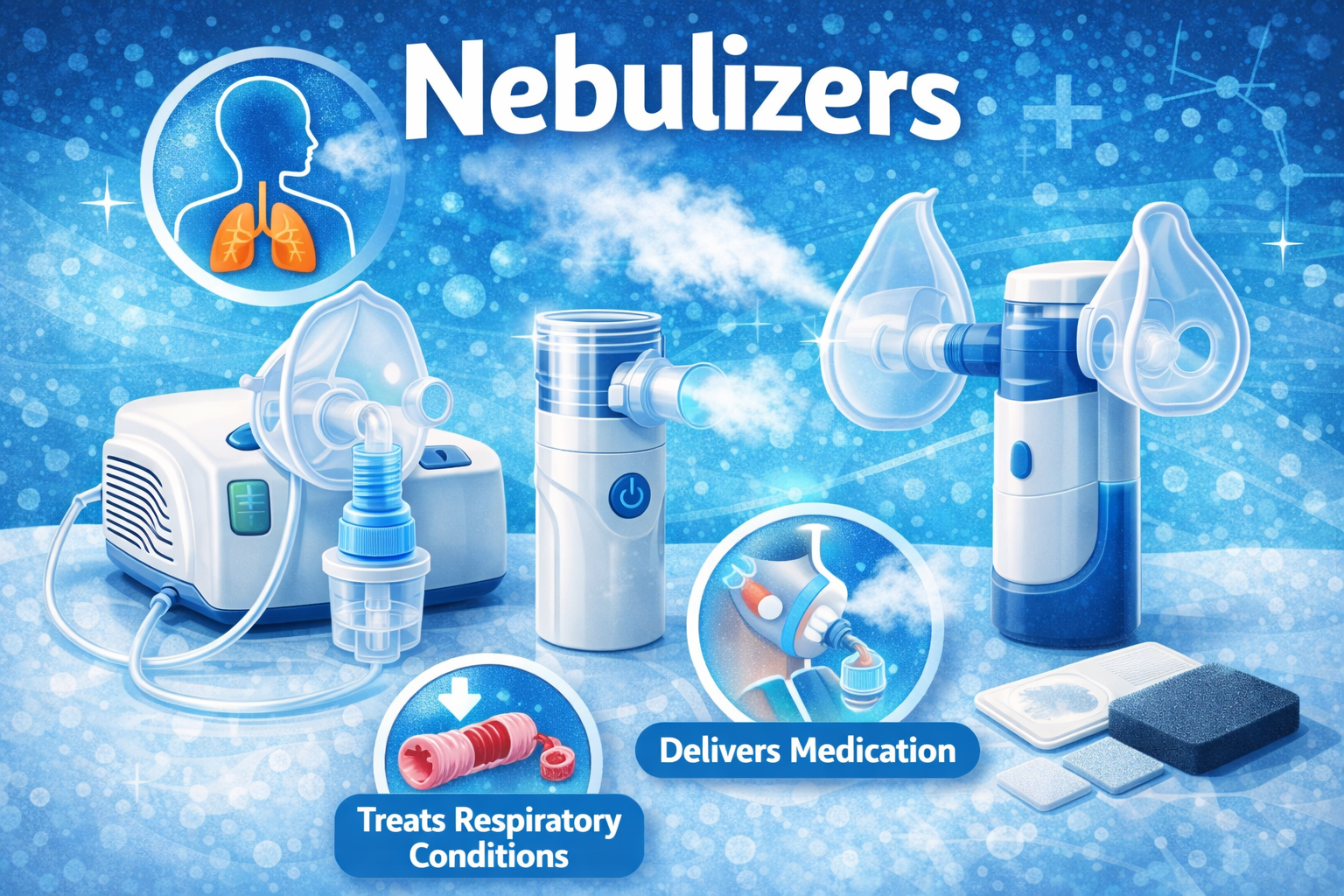
Respiratory health has become an increasingly important focus within global healthcare systems, particularly with the rising prevalence of chronic respiratory conditions. Devices that enable efficient drug delivery directly to the lungs are gaining attention, and nebulizers remain a key component in this space. These medical devices convert liquid medication into a fine mist, allowing patients to inhale it easily, especially those who struggle with traditional inhalers.
As per the study published by MarkNtel Advisors, the nebulizer market is experiencing steady growth, supported by increasing respiratory disease prevalence and a rising inclination toward accessible treatment solutions. The evolving healthcare landscape continues to emphasize the importance of effective and patient-friendly drug delivery systems.
What is a Nebulizer and How Does It Work?
A nebulizer is a medical device designed to administer medication directly into the lungs in the form of a mist. It is widely used for managing conditions such as asthma, chronic obstructive pulmonary disease (COPD), and other respiratory disorders. The device typically includes a compressor, medication chamber, and a mask or mouthpiece.
Nebulizers function by converting liquid medicine into aerosol droplets using compressed air, ultrasonic vibrations, or mesh technology. This ensures deeper penetration of medication into the respiratory tract, improving therapeutic outcomes and offering quicker relief compared to oral treatments.
Rising Burden of Respiratory Diseases Driving Demand
The increasing prevalence of respiratory diseases is a major factor influencing the demand for nebulizers. Factors such as air pollution, smoking, urban lifestyle changes, and occupational hazards continue to impact respiratory health globally. Seasonal infections and viral outbreaks further contribute to the need for effective respiratory care devices.
The growing geriatric population also plays a significant role, as older individuals are more prone to chronic respiratory conditions. This demographic shift is contributing to sustained demand for reliable and easy-to-use treatment solutions like nebulizers.
Shift Toward Home Healthcare and Portable Devices
A notable trend in the nebulizer market is the increasing preference for home-based healthcare. Patients are opting for treatments that can be administered conveniently at home, reducing dependence on clinical visits. This trend has encouraged the development of portable and compact nebulizers.
Battery-operated and handheld nebulizers are gaining traction due to their ease of use and mobility. These devices are particularly beneficial for pediatric and elderly patients who require frequent therapy but may face difficulties accessing healthcare facilities regularly.
Technological Advancements Enhancing Efficiency
Technological innovation is significantly improving nebulizer functionality. Modern devices offer features such as faster medication delivery, quieter operation, and enhanced portability. Vibrating mesh technology, for example, ensures efficient aerosol generation while minimizing medication wastage.
Additionally, the gradual integration of digital technologies is shaping the future of nebulizers. Some advanced models now include connectivity features that allow monitoring of treatment usage, supporting better adherence and improved patient outcomes.
Market Segmentation Reflects Diverse Applications
The nebulizer market is categorized based on product type, application, and end-user, highlighting its wide range of applications. Compressor nebulizers remain widely used due to their affordability and reliability, while ultrasonic and mesh nebulizers are gaining attention for their advanced capabilities.
Applications such as asthma and COPD dominate the market due to their widespread occurrence. End-users include hospitals, clinics, and homecare settings, with homecare emerging as a key growth area driven by changing patient preferences.
Regional Insights and Market Expansion
Regional analysis indicates that developed markets continue to lead due to advanced healthcare infrastructure and higher awareness levels. At the same time, emerging economies are witnessing gradual growth supported by improving healthcare access and increasing awareness of respiratory diseases.
Government initiatives, rising healthcare spending, and expanding distribution networks are contributing to market development. However, challenges such as affordability and accessibility of advanced devices remain relevant in certain regions.
Challenges and Considerations
Despite steady growth, the nebulizer market faces certain challenges. Issues related to device cost, maintenance, and availability of alternatives such as inhalers may influence adoption rates. Additionally, patient awareness and proper usage remain critical factors in ensuring effective treatment outcomes.
Addressing these challenges requires a balanced approach involving technological innovation, patient education, and improved healthcare accessibility.
Conclusion
Nebulizers continue to play a vital role in respiratory care by providing efficient and accessible drug delivery solutions. With the growing burden of respiratory diseases and increasing preference for home-based treatment, the demand for these devices is expected to remain steady. Ongoing technological advancements and expanding healthcare infrastructure are likely to further support their adoption across diverse patient populations.