

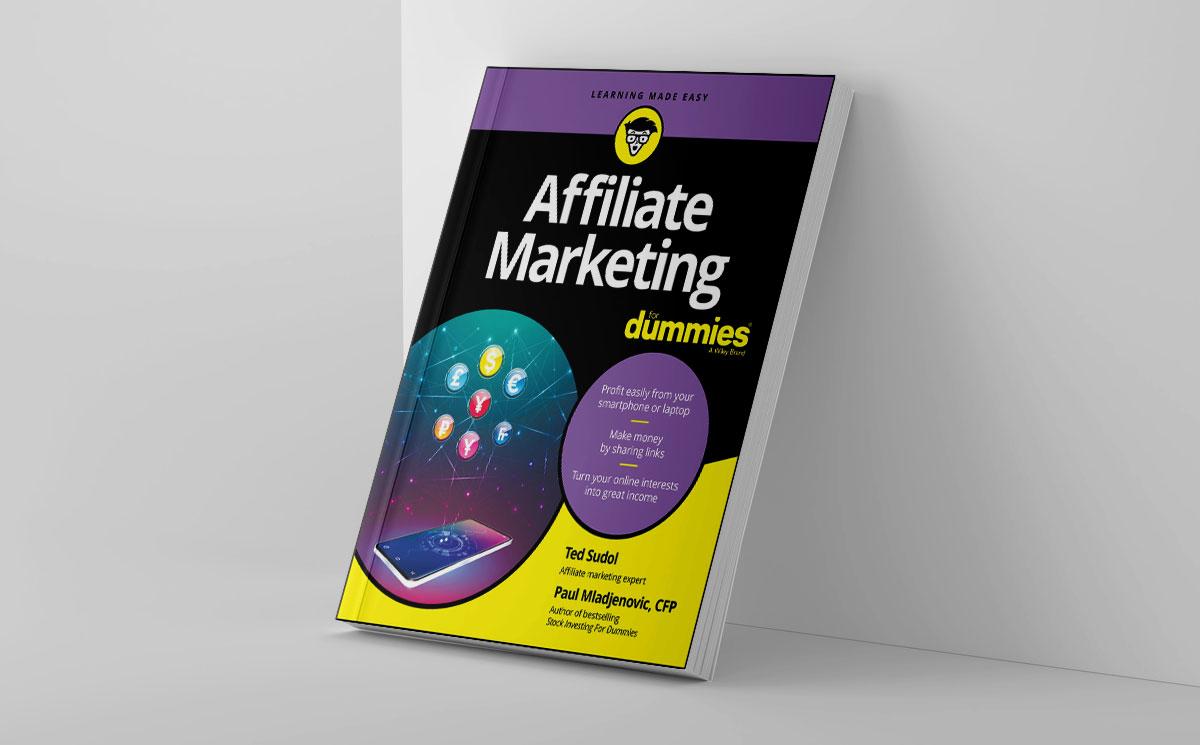

In today’s crowded book market, an author’s success depends not only on the quality of the writing but also on how the book is presented to readers. With millions of books released each year Bowker reports over 1.5 million new titles in the U.S. alone annually capturing attention is a challenge. One of the most powerful tools authors have at their disposal is cover art. The cover is often the first thing a potential reader notices, and it can heavily influence their perception of the author and the story. Beyond aesthetic appeal, cover art plays a critical role in building an author brand. An author brand is a combination of style, messaging, and visual identity that defines how readers perceive an author across all channels. While many elements contribute to a strong brand such as social media presence, tone, and content the visual representation of a book through its cover is often the most immediate touchpoint. Professional book cover design services ensure that this first impression aligns with the author’s intended identity, reflecting the genre, tone, and overall quality of the work.
Understanding Author Branding
Author branding is more than just a recognizable logo or consistent design; it’s the cohesive identity that communicates what a reader can expect from an author’s work. Strong branding builds trust, attracts loyal readers, and distinguishes an author from competitors.
Key points about author branding:
- Consistency Across Works: Maintaining a recognizable style, tone, and visual identity across books and platforms.
- Reader Expectations: A well-defined brand signals to readers the type of stories, genres, or themes they can expect.
- Professional Perception: Cohesive branding helps authors appear more credible and professional in the eyes of readers and industry professionals.
Cover art is a vital part of this brand. As the visual gateway to a book, it provides readers with immediate context about the story while reinforcing the author’s identity. An inconsistent or poorly designed cover can confuse readers and dilute an author’s brand, while a well-crafted cover strengthens recognition and engagement.
First Impressions: The Psychology of Cover Art
Research indicates that readers form an opinion about a book in under five seconds, often based solely on its cover. Humans are wired to respond to visuals first, which makes cover art a crucial factor in attracting attention and encouraging engagement.
Elements that influence first impressions include:
- Color: Different genres often evoke specific color palettes; for example, thrillers often use bold, dark colors, while romance novels favor soft, pastel tones.
- Typography: The style of text communicates mood and professionalism.
- Imagery and Illustration: Visual cues help convey story themes and tone.
- Layout and Composition: A balanced, clean layout suggests quality and readability.
When aligned with the author’s brand and target audience, cover art can make a book stand out, creating an immediate connection that encourages readers to explore further.
Consistency Across a Book Series
For authors who write series, maintaining a cohesive design across multiple books is essential for brand recognition. A reader picking up a new installment should instantly recognize it as part of the author’s series.
Key strategies for series branding:
- Color Palette: Using consistent colors across covers helps unify the series visually.
- Typography: Keeping fonts consistent strengthens recognition.
- Recurring Visual Elements: Symbols, logos, or recurring motifs reinforce the series identity.
Consistency not only builds brand loyalty but also improves visibility, whether books are displayed in a bookstore, online marketplace, or digital library. Readers are more likely to return to a series when they can easily identify it.
Cover Art and Genre Expectations
Cover art communicates the genre and style of the book before a reader even opens it. Misaligned cover design can confuse potential readers and reduce credibility, while the right design can attract the ideal audience.
Considerations for genre-specific covers:
- Romance: Often features soft colors, emotional imagery, and flowing typography.
- Thriller/Mystery: Darker tones, bold fonts, and dramatic visuals.
- Fantasy/Sci-Fi: Epic illustrations, imaginative designs, and unique typography.
- Non-Fiction: Clean layouts, readable fonts, and professional visuals.
By matching cover art to reader expectations, authors can attract the right audience and avoid disappointing readers with misleading visual cues. Consistency in style across all books further strengthens the author brand.
Cover Art as a Marketing Tool
A book’s cover is a critical marketing asset. Covers are used in social media promotions, email campaigns, digital ads, and print advertisements. A professionally designed cover increases the likelihood of clicks, engagement, and conversions.
Statistics show:
- Professionally designed covers can boost sales by 30–50% compared to amateur designs.
- 79% of readers report that they judge a book by its cover when making a purchase decision.
High-quality cover art communicates professionalism, which can make readers more likely to trust the author and invest in the book. Beyond attracting attention, the cover also serves as a visual symbol of the author’s overall brand, creating recognition across multiple platforms.
DIY vs. Professional Cover Design
Authors face the choice of designing their own cover or hiring professionals. Both options have benefits and challenges:
DIY Cover Design:
- Pros: Lower cost, creative control.
- Cons: Risk of inconsistency, lower perceived professionalism, and potential misalignment with brand.
Professional Cover Design Services:
- Pros: Cohesive design that aligns with the author brand, high-quality visuals, and expertise in genre-specific trends.
- Cons: Higher cost, less hands-on control.
For authors serious about building a recognizable brand, professional cover design is often the better investment. It ensures that visual identity is consistent, appealing, and optimized for market visibility.
Cover Art Across Platforms
With books sold in multiple formats, cover design must be adaptable: print, eBook, and audiobooks each have specific requirements. Covers need to remain recognizable at small thumbnail sizes for online stores like Amazon, Goodreads, or Apple Books.
Key considerations for cross-platform branding:
- Thumbnail Readability: Titles and images must be clear even at small sizes.
- Format Adaptation: Ensure covers are optimized for print and digital without losing brand elements.
- Visual Consistency: Brand colors, fonts, and style should remain uniform across platforms.
Adapting cover art for multiple platforms strengthens the author brand by ensuring that readers can identify the book anywhere.
Case Studies / Examples
Successful authors leverage cover art to build strong brands. Examples include:
- J.K. Rowling’s Harry Potter Series: Consistent visual elements and typography helped create an iconic, recognizable brand worldwide.
- James Patterson’s Thrillers: Bold, uniform designs across multiple titles reinforce his genre identity.
Lessons for new authors:
- Consistency in cover style builds recognition and loyalty.
- Cover art aligned with genre expectations attracts the right readers.
- Professional design can dramatically impact perceived quality and credibility.
Conclusion
Cover art is far more than just a decorative element it’s a cornerstone of author branding. A well-designed cover creates a strong first impression, communicates genre, attracts the right audience, and reinforces consistency across books and marketing platforms. Investing in professional book cover design services ensures that authors present their work in the best possible light, building trust, recognition, and engagement with readers. By treating cover art as an essential branding tool, authors can strengthen their market presence and achieve long-term success in a competitive industry.


