Upgrade auf Pro

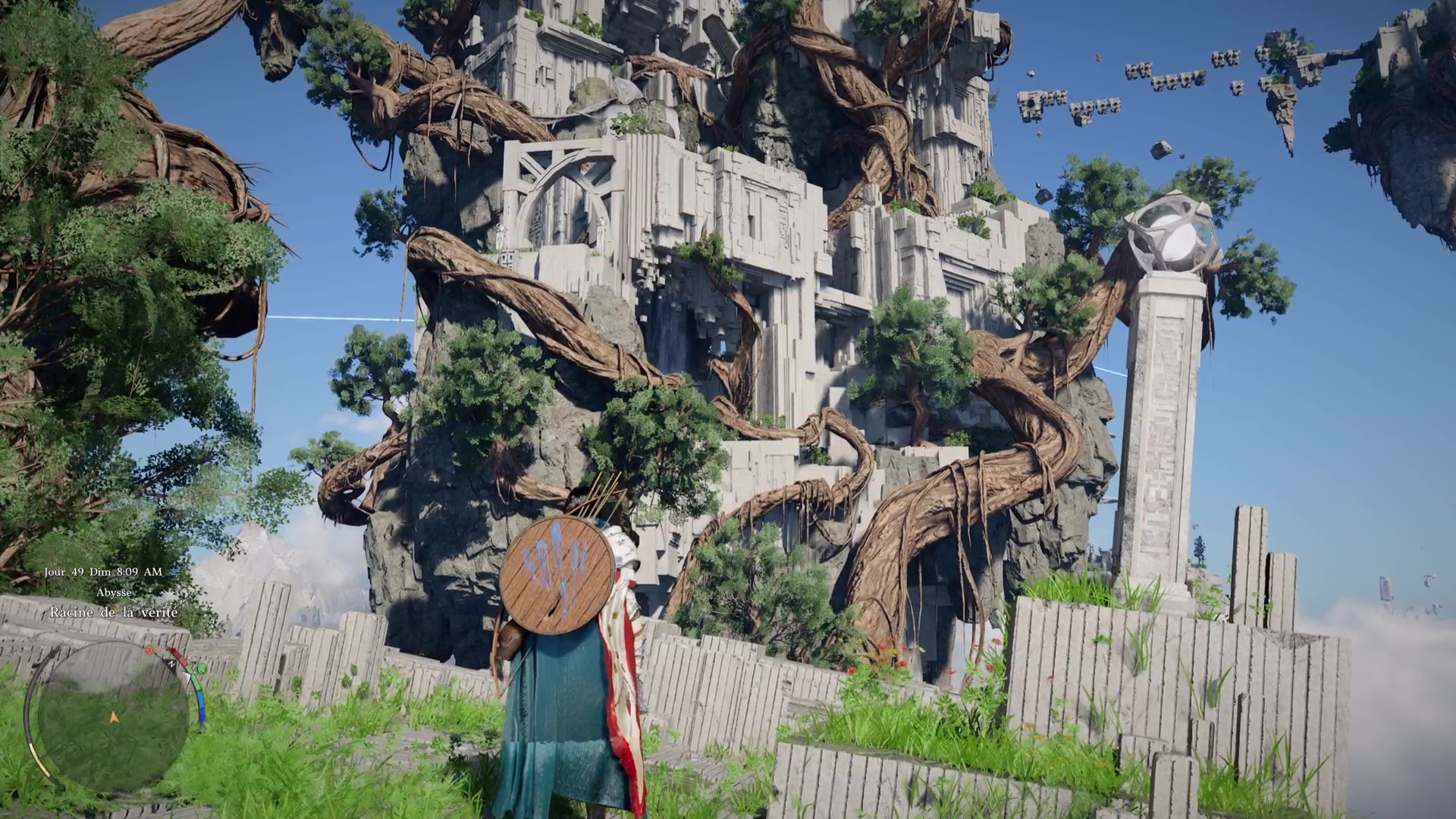
  • 🌟 Ready to dive into a world of adventure? Explore the Abyss in "Crimson Desert" and unlock each intricate puzzle that awaits you! This captivating celestial archipelago is filled with challenges that require wit and strategy to overcome. 🌌💡

    In the article "Tous les défis d’Abysse, comment résoudre chaque énigme," you'll find a detailed guide on how to conquer every enigma presented by this enchanting realm. Whether you’re a seasoned gamer or new to the scene, these tips will enhance your gameplay experience and inspire you to think outside the box.

    Embrace the challenge and step out of your comfort zone—who knows what hidden treasures you might discover? 🌈✨

    Check out the full guide here: https://www.actugaming.net/guide-enigme-defi-abysse-crimson-desert-790167/

    #CrimsonDesert #GamingTips #PuzzleSolving #AdventureAwaits #ExploreMore
    🌟 Ready to dive into a world of adventure? Explore the Abyss in "Crimson Desert" and unlock each intricate puzzle that awaits you! This captivating celestial archipelago is filled with challenges that require wit and strategy to overcome. 🌌💡 In the article "Tous les défis d’Abysse, comment résoudre chaque énigme," you'll find a detailed guide on how to conquer every enigma presented by this enchanting realm. Whether you’re a seasoned gamer or new to the scene, these tips will enhance your gameplay experience and inspire you to think outside the box. Embrace the challenge and step out of your comfort zone—who knows what hidden treasures you might discover? 🌈✨ Check out the full guide here: https://www.actugaming.net/guide-enigme-defi-abysse-crimson-desert-790167/ #CrimsonDesert #GamingTips #PuzzleSolving #AdventureAwaits #ExploreMore
    WWW.ACTUGAMING.NET
    Tous les défis d’Abysse, comment résoudre chaque énigme – Crimson Desert
    ActuGaming.net Tous les défis d’Abysse, comment résoudre chaque énigme – Crimson Desert Gros pan du monde ouvert de Crimson Desert, l’Abysse est un archipel céleste peuplé de […] L'article Tous les défis d’Abysse, comme
    ·641 Ansichten ·0 Bewertungen
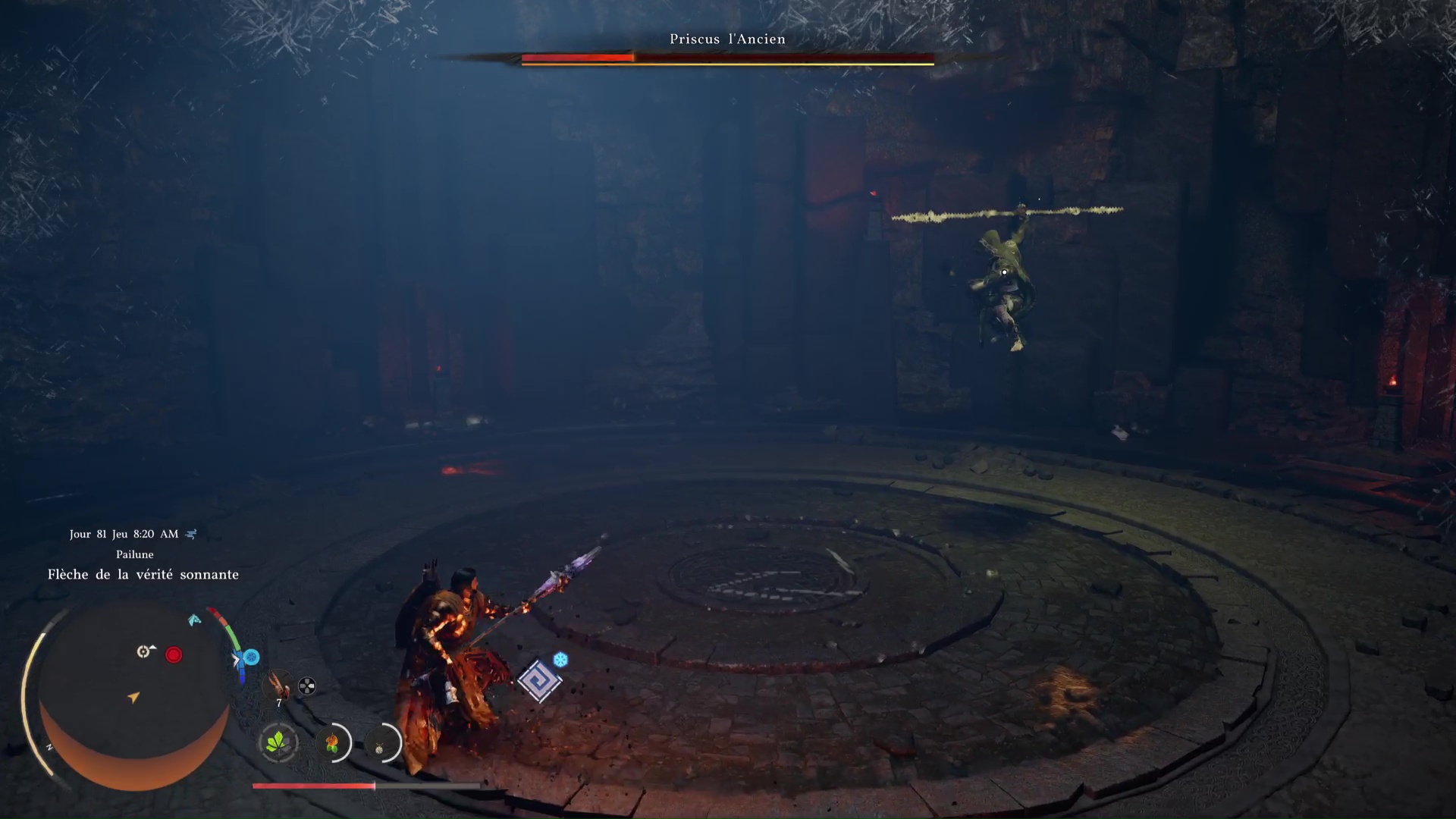
  • Crimson Desert, a game known for its captivating landscapes and challenging gameplay, presents players with formidable bosses that can test even the most seasoned adventurers. One such boss is Priscus the Elder, a character that many players find notoriously difficult to defeat. In this article, we’ll explore effective strategies and tips on how to easily conquer Priscus the Elder, allowing you to progress further in the game and enjoy its rich narrative and immersive world.

    ## Understanding Pr...
    Crimson Desert, a game known for its captivating landscapes and challenging gameplay, presents players with formidable bosses that can test even the most seasoned adventurers. One such boss is Priscus the Elder, a character that many players find notoriously difficult to defeat. In this article, we’ll explore effective strategies and tips on how to easily conquer Priscus the Elder, allowing you to progress further in the game and enjoy its rich narrative and immersive world. ## Understanding Pr...
    How to Easily Defeat Priscus the Elder in Crimson Desert
    Crimson Desert, a game known for its captivating landscapes and challenging gameplay, presents players with formidable bosses that can test even the most seasoned adventurers. One such boss is Priscus the Elder, a character that many players find notoriously difficult to defeat. In this article, we’ll explore effective strategies and tips on how to easily conquer Priscus the Elder, allowing you...
    ·509 Ansichten ·0 Bewertungen
  • 🗡️ Ready to take down Priscus the Ancient in Crimson Desert? If you've been struggling with this challenging boss, you’re not alone! Fortunately, an article on ActuGaming.net reveals some fantastic strategies to make defeating him a breeze.

    The tips shared will help you navigate those tricky mechanics and come out on top, giving you that sweet victory feeling! Personally, I always find boss fights more exhilarating when I have a solid game plan—it's all about strategy, right?

    So, if you're looking to level up your game, check out the full guide and conquer Priscus in no time. Happy gaming!

    👉 [Read the full article here](https://www.actugaming.net/guide-priscus-lancien-crimson-desert-793917/)
    #CrimsonDesert #GamingTips #BossFight #GamerLife #ActuGaming
    🗡️ Ready to take down Priscus the Ancient in Crimson Desert? If you've been struggling with this challenging boss, you’re not alone! Fortunately, an article on ActuGaming.net reveals some fantastic strategies to make defeating him a breeze. The tips shared will help you navigate those tricky mechanics and come out on top, giving you that sweet victory feeling! Personally, I always find boss fights more exhilarating when I have a solid game plan—it's all about strategy, right? So, if you're looking to level up your game, check out the full guide and conquer Priscus in no time. Happy gaming! 👉 [Read the full article here](https://www.actugaming.net/guide-priscus-lancien-crimson-desert-793917/) #CrimsonDesert #GamingTips #BossFight #GamerLife #ActuGaming
    WWW.ACTUGAMING.NET
    Comment battre facilement Priscus l’Ancien – Crimson Desert
    ActuGaming.net Comment battre facilement Priscus l’Ancien – Crimson Desert Si les boss principaux de Crimson Desert sont nombreux à proposer une difficulté régulièrement piquante, […] L'article Comment battre facilement Priscus l&r
    ·475 Ansichten ·0 Bewertungen
  • Path of Exile Currency Eater of Worlds: Fight Tactics That Work

    Path of exile currency is known for its challenging endgame content, intricate mechanics, and high-stakes boss encounters. One of the most formidable bosses players face is the Eater of Worlds. This fight tests a combination of DPS, survivability, positioning, and awareness, making it a true challenge even for experienced exiles. Understanding the fight mechanics, planning your strategy, and preparing your build and flasks are crucial to success. This guide will cover everything from boss phases to tips for specific builds and group strategies.

    Overview of the Eater of Worlds

    The Eater of Worlds is an endgame boss designed to test player skill and preparation. Found in certain high-tier maps or league-specific content, the fight is both punishing and rewarding. Defeating this boss provides access to high-value loot, including rare currency items, unique gear, and crafting materials. The encounter is structured to challenge players in several ways:

    High damage output: The boss employs a mix of AoE and single-target attacks.

    Environmental hazards: The arena often contains damaging zones or traps.

    Summons and adds: Waves of minions spawn throughout the fight, adding pressure and requiring multitasking.

    Phase-based mechanics: The fight evolves as the boss’s health drops, with new attacks and hazards introduced.

    Success in this encounter requires understanding all these elements and approaching the fight with a clear strategy.

    Phases of the Fight

    The Eater of Worlds fight is divided into multiple phases, each with distinct mechanics that players must adapt to.

    Phase 1: Initial Engagement

    The fight begins with the boss in a semi-stationary state, using basic attacks and summoning minor adds. Key mechanics include:

    Long-range AoE attacks: These attacks deal significant damage and often cover large portions of the arena.

    Adds spawn periodically: While individually weak, adds can overwhelm unprepared players.

    Positioning is critical: Maintaining distance from AoEs while dealing damage is essential.

    Strategy: Clear adds efficiently using AoE or crowd control skills. Position your character in a safe zone, and use mobility skills like Dash, Blink Arrow, or Shield Charge to avoid incoming AoEs. Ranged characters should maintain mid-range to balance damage output and safety.

    Phase 2: Environmental Hazards

    Once the boss reaches a certain health threshold, environmental hazards appear:

    Damaging zones or debuffs: Certain areas of the arena apply continuous damage over time or debuffs to players standing within them.

    Trap mechanics: Explosive zones, spikes, or AoE effects require constant attention.

    More frequent adds: Summons increase in strength or number.

    Strategy: Use flasks to mitigate damage from hazards, such as immunity flasks or movement speed flasks. Keep moving to avoid prolonged exposure to environmental damage. Focus on maintaining a balance between clearing adds and DPSing the boss.

    Phase 3: Aggressive Damage Phase

    During this phase, the Eater of Worlds becomes much more aggressive:

    Rapid melee or ranged attacks: Attack speed and damage increase, making mispositioning costly.

    Debuffs and crowd control: The boss can stun, knockback, or otherwise disrupt player movement.

    Summons become more dangerous: Elite or corrupted adds appear, adding pressure.

    Strategy: Ensure that your defensive layers—armor, evasion, or energy shield—are strong enough to handle spike damage. Use mobility to kite the boss and manage adds efficiently. Caster and ranged builds should focus on high burst damage while avoiding hazards.

    Phase 4: Enrage Phase

    As the boss reaches critical health, it enters its enrage phase:

    Attack speed increases: The boss hits faster and harder, punishing mistakes.

    AoE attacks become unavoidable: Patterns overlap, leaving little safe space if not careful.

    Adds spawn near the player: Close-range adds can overwhelm melee builds quickly.

    Strategy: Save your strongest offensive cooldowns for this phase to maximize DPS. Maintain constant movement to avoid overlapping AoEs and hazards. Defensive flasks and utility skills should be used strategically to survive the increased pressure.

    Key Mechanics and How to Counter Them

    The Eater of Worlds has several mechanics that can be fatal if ignored:

    AoE Damage: The boss frequently uses area attacks. Avoid standing in telegraphed zones.

    Minion Waves: Adds can disrupt positioning and amplify incoming damage. Prioritize AoE skills to handle them quickly.

    Debuffs and Status Effects: Bleed, poison, or elemental DoTs are common. Use flasks and resistances to mitigate them.

    Knockbacks and Crowd Control: Some attacks displace the player, which can lead to hazards or death. Keep movement skills ready.

    Environmental Hazards: Lava zones, spikes, or poison clouds require constant awareness and mobility.

    Recognizing and responding to these mechanics quickly is essential for a smooth fight.

    Build Recommendations

    Different builds handle the Eater of Worlds in distinct ways. Here’s how melee, ranged, and caster builds can approach the fight:

    Melee Builds

    Leech and sustain: Vital for surviving the high damage output.

    AoE skills: Cyclone, Earthquake, or Ground Slam clear adds while damaging the boss.

    Mobility skills: Leap Slam or Shield Charge are essential for repositioning during hazards.

    Ranged Builds

    Kiting and mobility: Keeps distance from AoEs and melee attacks.

    Projectile skills: Tornado Shot, Barrage, or Freezing Pulse allow safe damage while moving.

    Flasks for speed and mitigation: Quicksilver Flask and defensive flasks increase survivability.

    Caster Builds

    High burst damage: Ideal for finishing the boss during the enrage phase.

    AoE spells: Arc, Fireball, or Blade Vortex help manage adds.

    Energy shield management: Use flasks and defensive layers to survive spike damage.

    Movement skills: Teleport, Flame Dash, or Dash help maintain casting while avoiding hazards.

    Flasks and Utility

    Flasks are critical for survival:

    Life Flask: Instant healing for spike damage or DOT effects.

    Quicksilver Flask: Mobility to dodge AoEs.

    Granite or Stibnite Flask: Provides armor, evasion, or block for defensive boosts.

    Utility Flasks: Immunity flasks for bleed, freeze, or shock mitigate hazardous mechanics.

    Proper flask management often determines success in this fight, especially in later phases with overlapping hazards.

    Group Strategies

    If fighting the Eater of Worlds in a party:

    Assign roles: One player focuses on adds while another DPSes the boss.

    Communicate mechanics: Alert teammates to AoEs, traps, or dangerous adds.

    Crowd control: Use stuns or slows to manage summons.

    Coordinate defensive cooldowns: Ensure team survivability during enrage phases.

    Teamwork can simplify this fight significantly and make it more forgiving than solo attempts.

    Common Mistakes

    Ignoring hazards: Standing in damaging zones is a frequent cause of death.

    Over-focusing on adds: Losing sight of the boss’s mechanics can extend the fight unnecessarily.

    Poor flask timing: Not using flasks at critical moments often results in sudden deaths.

    Overcommitting melee: Engaging too closely without mitigation leads to high-risk situations.

    Neglecting telegraphed attacks: Failing to move according to visual or audio cues can be fatal.

    Avoiding these mistakes is key to consistent success.

    Conclusion

    The Eater of Worlds is one of Path of Exile’s most challenging bosses, designed to test DPS, positioning, mechanics awareness, and resource management. Understanding the boss’s phases, environmental hazards, and mechanics is crucial for survival. By preparing your build, managing flasks efficiently, and adapting to each phase, players can conquer this fight and reap high-value rewards.

    Whether using melee, ranged, or caster builds, strategic play, movement, and crowd control are essential. Group play offers additional safety and efficiency through teamwork, but soloing the boss is also possible with careful planning. Defeating the Eater of Worlds not only provides valuable loot and crafting opportunities but also serves as a testament to a player’s mastery of PoE’s challenging mechanics.

    Preparation, awareness, and execution are the keys to success against this formidable foe. Mastering the fight ensures that exiles are ready to tackle even greater challenges in the endgame of cheap POE orbs.

    Every player needs a lot of Path of exile currency, I suggest you go to a third-party website like MMOexp.com to buy some currency.
    Path of Exile Currency Eater of Worlds: Fight Tactics That Work Path of exile currency is known for its challenging endgame content, intricate mechanics, and high-stakes boss encounters. One of the most formidable bosses players face is the Eater of Worlds. This fight tests a combination of DPS, survivability, positioning, and awareness, making it a true challenge even for experienced exiles. Understanding the fight mechanics, planning your strategy, and preparing your build and flasks are crucial to success. This guide will cover everything from boss phases to tips for specific builds and group strategies. Overview of the Eater of Worlds The Eater of Worlds is an endgame boss designed to test player skill and preparation. Found in certain high-tier maps or league-specific content, the fight is both punishing and rewarding. Defeating this boss provides access to high-value loot, including rare currency items, unique gear, and crafting materials. The encounter is structured to challenge players in several ways: High damage output: The boss employs a mix of AoE and single-target attacks. Environmental hazards: The arena often contains damaging zones or traps. Summons and adds: Waves of minions spawn throughout the fight, adding pressure and requiring multitasking. Phase-based mechanics: The fight evolves as the boss’s health drops, with new attacks and hazards introduced. Success in this encounter requires understanding all these elements and approaching the fight with a clear strategy. Phases of the Fight The Eater of Worlds fight is divided into multiple phases, each with distinct mechanics that players must adapt to. Phase 1: Initial Engagement The fight begins with the boss in a semi-stationary state, using basic attacks and summoning minor adds. Key mechanics include: Long-range AoE attacks: These attacks deal significant damage and often cover large portions of the arena. Adds spawn periodically: While individually weak, adds can overwhelm unprepared players. Positioning is critical: Maintaining distance from AoEs while dealing damage is essential. Strategy: Clear adds efficiently using AoE or crowd control skills. Position your character in a safe zone, and use mobility skills like Dash, Blink Arrow, or Shield Charge to avoid incoming AoEs. Ranged characters should maintain mid-range to balance damage output and safety. Phase 2: Environmental Hazards Once the boss reaches a certain health threshold, environmental hazards appear: Damaging zones or debuffs: Certain areas of the arena apply continuous damage over time or debuffs to players standing within them. Trap mechanics: Explosive zones, spikes, or AoE effects require constant attention. More frequent adds: Summons increase in strength or number. Strategy: Use flasks to mitigate damage from hazards, such as immunity flasks or movement speed flasks. Keep moving to avoid prolonged exposure to environmental damage. Focus on maintaining a balance between clearing adds and DPSing the boss. Phase 3: Aggressive Damage Phase During this phase, the Eater of Worlds becomes much more aggressive: Rapid melee or ranged attacks: Attack speed and damage increase, making mispositioning costly. Debuffs and crowd control: The boss can stun, knockback, or otherwise disrupt player movement. Summons become more dangerous: Elite or corrupted adds appear, adding pressure. Strategy: Ensure that your defensive layers—armor, evasion, or energy shield—are strong enough to handle spike damage. Use mobility to kite the boss and manage adds efficiently. Caster and ranged builds should focus on high burst damage while avoiding hazards. Phase 4: Enrage Phase As the boss reaches critical health, it enters its enrage phase: Attack speed increases: The boss hits faster and harder, punishing mistakes. AoE attacks become unavoidable: Patterns overlap, leaving little safe space if not careful. Adds spawn near the player: Close-range adds can overwhelm melee builds quickly. Strategy: Save your strongest offensive cooldowns for this phase to maximize DPS. Maintain constant movement to avoid overlapping AoEs and hazards. Defensive flasks and utility skills should be used strategically to survive the increased pressure. Key Mechanics and How to Counter Them The Eater of Worlds has several mechanics that can be fatal if ignored: AoE Damage: The boss frequently uses area attacks. Avoid standing in telegraphed zones. Minion Waves: Adds can disrupt positioning and amplify incoming damage. Prioritize AoE skills to handle them quickly. Debuffs and Status Effects: Bleed, poison, or elemental DoTs are common. Use flasks and resistances to mitigate them. Knockbacks and Crowd Control: Some attacks displace the player, which can lead to hazards or death. Keep movement skills ready. Environmental Hazards: Lava zones, spikes, or poison clouds require constant awareness and mobility. Recognizing and responding to these mechanics quickly is essential for a smooth fight. Build Recommendations Different builds handle the Eater of Worlds in distinct ways. Here’s how melee, ranged, and caster builds can approach the fight: Melee Builds Leech and sustain: Vital for surviving the high damage output. AoE skills: Cyclone, Earthquake, or Ground Slam clear adds while damaging the boss. Mobility skills: Leap Slam or Shield Charge are essential for repositioning during hazards. Ranged Builds Kiting and mobility: Keeps distance from AoEs and melee attacks. Projectile skills: Tornado Shot, Barrage, or Freezing Pulse allow safe damage while moving. Flasks for speed and mitigation: Quicksilver Flask and defensive flasks increase survivability. Caster Builds High burst damage: Ideal for finishing the boss during the enrage phase. AoE spells: Arc, Fireball, or Blade Vortex help manage adds. Energy shield management: Use flasks and defensive layers to survive spike damage. Movement skills: Teleport, Flame Dash, or Dash help maintain casting while avoiding hazards. Flasks and Utility Flasks are critical for survival: Life Flask: Instant healing for spike damage or DOT effects. Quicksilver Flask: Mobility to dodge AoEs. Granite or Stibnite Flask: Provides armor, evasion, or block for defensive boosts. Utility Flasks: Immunity flasks for bleed, freeze, or shock mitigate hazardous mechanics. Proper flask management often determines success in this fight, especially in later phases with overlapping hazards. Group Strategies If fighting the Eater of Worlds in a party: Assign roles: One player focuses on adds while another DPSes the boss. Communicate mechanics: Alert teammates to AoEs, traps, or dangerous adds. Crowd control: Use stuns or slows to manage summons. Coordinate defensive cooldowns: Ensure team survivability during enrage phases. Teamwork can simplify this fight significantly and make it more forgiving than solo attempts. Common Mistakes Ignoring hazards: Standing in damaging zones is a frequent cause of death. Over-focusing on adds: Losing sight of the boss’s mechanics can extend the fight unnecessarily. Poor flask timing: Not using flasks at critical moments often results in sudden deaths. Overcommitting melee: Engaging too closely without mitigation leads to high-risk situations. Neglecting telegraphed attacks: Failing to move according to visual or audio cues can be fatal. Avoiding these mistakes is key to consistent success. Conclusion The Eater of Worlds is one of Path of Exile’s most challenging bosses, designed to test DPS, positioning, mechanics awareness, and resource management. Understanding the boss’s phases, environmental hazards, and mechanics is crucial for survival. By preparing your build, managing flasks efficiently, and adapting to each phase, players can conquer this fight and reap high-value rewards. Whether using melee, ranged, or caster builds, strategic play, movement, and crowd control are essential. Group play offers additional safety and efficiency through teamwork, but soloing the boss is also possible with careful planning. Defeating the Eater of Worlds not only provides valuable loot and crafting opportunities but also serves as a testament to a player’s mastery of PoE’s challenging mechanics. Preparation, awareness, and execution are the keys to success against this formidable foe. Mastering the fight ensures that exiles are ready to tackle even greater challenges in the endgame of cheap POE orbs. Every player needs a lot of Path of exile currency, I suggest you go to a third-party website like MMOexp.com to buy some currency.
    ·2KB Ansichten ·0 Bewertungen
  • D2R Items: Best Beginner Sorceress Setup

    Starting your journey in D2R Items can be both exciting and intimidating. The game retains the deep mechanics and unforgiving systems of the original classic, which means new players often need time to learn how everything works. Among all the available classes, the Sorceress stands out as one of the most popular starting characters. Her powerful elemental magic, incredible mobility, and efficient farming potential make her a favorite choice for beginners and veterans alike.

    However, the Sorceress is not without weaknesses. She is fragile, heavily dependent on mana, and requires smart positioning during combat. Understanding how to build and play the Sorceress properly from the beginning will dramatically improve your experience as you explore Sanctuary. This guide will walk you through the most important things to know when starting a Sorceress, including skill selection, attribute allocation, leveling strategies, gear priorities, and survival tactics.

    Why the Sorceress Is a Great Starting Class
    The Sorceress excels at ranged combat and elemental spellcasting. Unlike melee classes that must stand close to enemies, the Sorceress can eliminate monsters from a safe distance using devastating magical attacks. This ability to deal damage without exposing herself to constant danger makes her very effective during early gameplay.

    One of the biggest advantages of the Sorceress is her access to the Teleport ability. Teleport allows instant movement across the map, which dramatically increases travel speed and provides an escape option when surrounded by enemies. Because of this skill, Sorceresses are widely regarded as the fastest characters for farming bosses and valuable loot.

    Another reason players start with the Sorceress is her ability to clear large groups of enemies quickly. Many of her spells deal area-of-effect damage, allowing her to eliminate multiple monsters at once. This makes leveling faster and farming runs more efficient compared to many other classes.

    Despite these advantages, the Sorceress has low health and defense. A careless player can easily be overwhelmed if enemies get too close. Learning to maintain distance and control the battlefield is essential for survival.

    Understanding the Sorceress Skill Trees
    The Sorceress uses three elemental magic trees: Fire, Cold, and Lightning. Each tree offers a different combat style and unique strengths.

    Fire spells are known for their high damage output and explosive attacks. Abilities like Fireball and Meteor can deal massive damage to groups of enemies. Fire builds are popular for early leveling because they clear monsters quickly.

    Cold spells emphasize control and safety. Many cold abilities slow or freeze enemies, giving the Sorceress more time to reposition or escape danger. Blizzard, Frozen Orb, and other cold skills are extremely powerful in both early and late gameplay.

    Lightning spells offer high potential damage but are less predictable because lightning abilities often have wide damage ranges. Skills like Chain Lightning can clear large groups of enemies rapidly but require more investment to become truly powerful.

    For beginners, focusing on one primary element during early levels is usually the best approach. Splitting skill points too early can weaken your damage output and slow down progression.

    Early Skill Progression
    During the first few levels, the Sorceress starts with simple spells like Fire Bolt. This ability provides reliable early damage and can carry you through the opening areas of the game.

    Shortly afterward, players gain access to Fireball, one of the strongest early-game spells available to the Sorceress. Fireball deals solid damage and hits multiple enemies, making it extremely effective for clearing groups.

    Another important early skill is Warmth. This passive ability increases mana regeneration, which helps sustain continuous spellcasting. Because the Sorceress relies heavily on mana, investing a few points into Warmth can greatly improve overall gameplay.

    As you progress further, unlocking Teleport becomes a major milestone. Once Teleport becomes available, traveling across maps and escaping dangerous situations becomes significantly easier.

    Proper Attribute Allocation
    Each level grants attribute points that must be distributed among Strength, Dexterity, Vitality, and Energy. Making smart choices with these points is critical for building a strong Sorceress.

    Strength should only be increased when necessary to equip specific gear. Most Sorceress equipment does not require high Strength, so excessive investment here is usually wasteful.

    Dexterity generally provides little value for most Sorceress builds. Unless you are pursuing a specialized defensive strategy, Dexterity can typically be ignored.

    Energy increases the maximum mana pool. While mana is important for spellcasting, it is often better to rely on gear bonuses, potions, and Warmth rather than heavily investing in Energy.

    Vitality is the most important attribute for survivability. Because the Sorceress has low base health, adding points to Vitality significantly improves durability. Most players place the majority of their attribute points into Vitality to ensure they can survive tougher fights.

    Managing Mana and Potions
    Mana management is one of the biggest challenges for new Sorceress players. Casting spells frequently drains mana quickly, especially during long battles.

    Keeping a steady supply of mana potions in your belt is essential. These potions allow you to continue casting spells during combat without running out of resources.

    In addition to potions, certain gear bonuses can increase mana regeneration or reduce the cost of spells. These bonuses become especially valuable as you rely more heavily on powerful abilities later in the game.

    Warmth also plays an important role in mana sustainability, making it one of the most useful early passive skills.

    Gear Priorities for Sorceress
    Equipment plays a major role in improving the Sorceress’s power and survivability. When choosing gear, focus on items that enhance spellcasting abilities.

    One of the most valuable stats is increased skill levels. Items that provide bonuses to Sorceress skills or all skills significantly increase spell damage and effectiveness.

    Faster Cast Rate is another important stat. This reduces the delay between spells, allowing you to cast more frequently and deal damage faster.

    Resistances become increasingly important as you progress through the game. Enemies in later acts and higher difficulties deal large amounts of elemental damage. Without proper resistances, even strong characters can be defeated quickly.

    Mana regeneration, additional mana, and faster hit recovery are also helpful bonuses for Sorceress builds.

    The Importance of Mercenaries
    Mercenaries are companions that assist you during combat. You can hire them from certain NPCs throughout the game.

    For Sorceress players, mercenaries provide valuable frontline support. Because the Sorceress fights from a distance, having a companion who can absorb enemy attacks greatly improves survivability.

    Equipping your mercenary with strong armor and weapons allows them to withstand enemy damage while you cast spells safely behind them.

    Some mercenaries also provide beneficial aura effects that improve your character’s damage or defense.

    Learning Enemy Behavior
    As you progress through the campaign, enemies become more dangerous and begin using stronger abilities. Some monsters cast elemental spells, while others can resurrect fallen allies.

    Understanding which enemies pose the greatest threat allows you to prioritize targets effectively. Eliminating dangerous enemies first can prevent overwhelming situations.

    Positioning also plays a key role. Keeping enemies at a distance while using area-of-effect spells allows the Sorceress to control the battlefield and avoid unnecessary damage.

    Preparing for Higher Difficulties
    After completing the main campaign once, the game unlocks Nightmare and Hell difficulty modes. These difficulties dramatically increase enemy strength and introduce new challenges.

    The Sorceress in Endgame Farming
    One of the reasons the Sorceress remains so popular is her incredible farming efficiency. Thanks to Teleport and powerful spells, she can reach bosses faster than most other classes.

    Many players create a Sorceress specifically to farm valuable items, runes, and equipment that can be used by other characters. This makes her an excellent starting character when building wealth and resources in the game.

    Over time, farming runs become faster and more efficient as you acquire better gear and optimize your build.

    Final Thoughts
    Starting your adventure as a Sorceress in Diablo II: Resurrected is one of the most rewarding ways to experience the game. Her powerful elemental spells, unmatched mobility, and efficient farming capabilities make her a versatile and exciting character to play.

    While she may be fragile compared to other classes, proper planning and smart gameplay can turn the Sorceress into an unstoppable force. By focusing on strong early spells, prioritizing Vitality and resistances, and mastering Teleport, you can build a character capable of conquering even the toughest challenges in Sanctuary.

    For both newcomers and returning veterans, the Sorceress remains one of the most iconic and effective classes in the entire Diablo series. With the right strategy and a bit of practice, she can become the key to mastering the dark world of D2R Runes for sale.

    MMOexp.com boasts years of experience in the D2R Items industry and can guarantee to provide you with the highest quality service.

    D2R Items: Best Beginner Sorceress Setup Starting your journey in D2R Items can be both exciting and intimidating. The game retains the deep mechanics and unforgiving systems of the original classic, which means new players often need time to learn how everything works. Among all the available classes, the Sorceress stands out as one of the most popular starting characters. Her powerful elemental magic, incredible mobility, and efficient farming potential make her a favorite choice for beginners and veterans alike. However, the Sorceress is not without weaknesses. She is fragile, heavily dependent on mana, and requires smart positioning during combat. Understanding how to build and play the Sorceress properly from the beginning will dramatically improve your experience as you explore Sanctuary. This guide will walk you through the most important things to know when starting a Sorceress, including skill selection, attribute allocation, leveling strategies, gear priorities, and survival tactics. Why the Sorceress Is a Great Starting Class The Sorceress excels at ranged combat and elemental spellcasting. Unlike melee classes that must stand close to enemies, the Sorceress can eliminate monsters from a safe distance using devastating magical attacks. This ability to deal damage without exposing herself to constant danger makes her very effective during early gameplay. One of the biggest advantages of the Sorceress is her access to the Teleport ability. Teleport allows instant movement across the map, which dramatically increases travel speed and provides an escape option when surrounded by enemies. Because of this skill, Sorceresses are widely regarded as the fastest characters for farming bosses and valuable loot. Another reason players start with the Sorceress is her ability to clear large groups of enemies quickly. Many of her spells deal area-of-effect damage, allowing her to eliminate multiple monsters at once. This makes leveling faster and farming runs more efficient compared to many other classes. Despite these advantages, the Sorceress has low health and defense. A careless player can easily be overwhelmed if enemies get too close. Learning to maintain distance and control the battlefield is essential for survival. Understanding the Sorceress Skill Trees The Sorceress uses three elemental magic trees: Fire, Cold, and Lightning. Each tree offers a different combat style and unique strengths. Fire spells are known for their high damage output and explosive attacks. Abilities like Fireball and Meteor can deal massive damage to groups of enemies. Fire builds are popular for early leveling because they clear monsters quickly. Cold spells emphasize control and safety. Many cold abilities slow or freeze enemies, giving the Sorceress more time to reposition or escape danger. Blizzard, Frozen Orb, and other cold skills are extremely powerful in both early and late gameplay. Lightning spells offer high potential damage but are less predictable because lightning abilities often have wide damage ranges. Skills like Chain Lightning can clear large groups of enemies rapidly but require more investment to become truly powerful. For beginners, focusing on one primary element during early levels is usually the best approach. Splitting skill points too early can weaken your damage output and slow down progression. Early Skill Progression During the first few levels, the Sorceress starts with simple spells like Fire Bolt. This ability provides reliable early damage and can carry you through the opening areas of the game. Shortly afterward, players gain access to Fireball, one of the strongest early-game spells available to the Sorceress. Fireball deals solid damage and hits multiple enemies, making it extremely effective for clearing groups. Another important early skill is Warmth. This passive ability increases mana regeneration, which helps sustain continuous spellcasting. Because the Sorceress relies heavily on mana, investing a few points into Warmth can greatly improve overall gameplay. As you progress further, unlocking Teleport becomes a major milestone. Once Teleport becomes available, traveling across maps and escaping dangerous situations becomes significantly easier. Proper Attribute Allocation Each level grants attribute points that must be distributed among Strength, Dexterity, Vitality, and Energy. Making smart choices with these points is critical for building a strong Sorceress. Strength should only be increased when necessary to equip specific gear. Most Sorceress equipment does not require high Strength, so excessive investment here is usually wasteful. Dexterity generally provides little value for most Sorceress builds. Unless you are pursuing a specialized defensive strategy, Dexterity can typically be ignored. Energy increases the maximum mana pool. While mana is important for spellcasting, it is often better to rely on gear bonuses, potions, and Warmth rather than heavily investing in Energy. Vitality is the most important attribute for survivability. Because the Sorceress has low base health, adding points to Vitality significantly improves durability. Most players place the majority of their attribute points into Vitality to ensure they can survive tougher fights. Managing Mana and Potions Mana management is one of the biggest challenges for new Sorceress players. Casting spells frequently drains mana quickly, especially during long battles. Keeping a steady supply of mana potions in your belt is essential. These potions allow you to continue casting spells during combat without running out of resources. In addition to potions, certain gear bonuses can increase mana regeneration or reduce the cost of spells. These bonuses become especially valuable as you rely more heavily on powerful abilities later in the game. Warmth also plays an important role in mana sustainability, making it one of the most useful early passive skills. Gear Priorities for Sorceress Equipment plays a major role in improving the Sorceress’s power and survivability. When choosing gear, focus on items that enhance spellcasting abilities. One of the most valuable stats is increased skill levels. Items that provide bonuses to Sorceress skills or all skills significantly increase spell damage and effectiveness. Faster Cast Rate is another important stat. This reduces the delay between spells, allowing you to cast more frequently and deal damage faster. Resistances become increasingly important as you progress through the game. Enemies in later acts and higher difficulties deal large amounts of elemental damage. Without proper resistances, even strong characters can be defeated quickly. Mana regeneration, additional mana, and faster hit recovery are also helpful bonuses for Sorceress builds. The Importance of Mercenaries Mercenaries are companions that assist you during combat. You can hire them from certain NPCs throughout the game. For Sorceress players, mercenaries provide valuable frontline support. Because the Sorceress fights from a distance, having a companion who can absorb enemy attacks greatly improves survivability. Equipping your mercenary with strong armor and weapons allows them to withstand enemy damage while you cast spells safely behind them. Some mercenaries also provide beneficial aura effects that improve your character’s damage or defense. Learning Enemy Behavior As you progress through the campaign, enemies become more dangerous and begin using stronger abilities. Some monsters cast elemental spells, while others can resurrect fallen allies. Understanding which enemies pose the greatest threat allows you to prioritize targets effectively. Eliminating dangerous enemies first can prevent overwhelming situations. Positioning also plays a key role. Keeping enemies at a distance while using area-of-effect spells allows the Sorceress to control the battlefield and avoid unnecessary damage. Preparing for Higher Difficulties After completing the main campaign once, the game unlocks Nightmare and Hell difficulty modes. These difficulties dramatically increase enemy strength and introduce new challenges. The Sorceress in Endgame Farming One of the reasons the Sorceress remains so popular is her incredible farming efficiency. Thanks to Teleport and powerful spells, she can reach bosses faster than most other classes. Many players create a Sorceress specifically to farm valuable items, runes, and equipment that can be used by other characters. This makes her an excellent starting character when building wealth and resources in the game. Over time, farming runs become faster and more efficient as you acquire better gear and optimize your build. Final Thoughts Starting your adventure as a Sorceress in Diablo II: Resurrected is one of the most rewarding ways to experience the game. Her powerful elemental spells, unmatched mobility, and efficient farming capabilities make her a versatile and exciting character to play. While she may be fragile compared to other classes, proper planning and smart gameplay can turn the Sorceress into an unstoppable force. By focusing on strong early spells, prioritizing Vitality and resistances, and mastering Teleport, you can build a character capable of conquering even the toughest challenges in Sanctuary. For both newcomers and returning veterans, the Sorceress remains one of the most iconic and effective classes in the entire Diablo series. With the right strategy and a bit of practice, she can become the key to mastering the dark world of D2R Runes for sale. MMOexp.com boasts years of experience in the D2R Items industry and can guarantee to provide you with the highest quality service.
    ·3KB Ansichten ·0 Bewertungen
  • Path of Exile Currency: How to Complete the Trial of Ascendancy

    Path of exile currency is renowned for its complex systems, deep character customization, and challenging endgame content. One of the most pivotal moments in a character’s early progression is the Trial of Ascendancy. This set of trials unlocks the powerful Ascendancy classes, which are specialized subclasses that provide unique passive bonuses and game-changing abilities. Mastering the Trial of Ascendancy is crucial for optimizing your build, unlocking new strategies, and preparing for endgame content. This guide will explain everything you need to know about the Trial of Ascendancy, including mechanics, strategies, class-specific challenges, and tips to ensure success.

    What is the Trial of Ascendancy?

    The Trial of Ascendancy is a sequence of three challenging encounters designed for each of the game’s core classes: Marauder, Ranger, Witch, Duelist, Templar, Shadow, and Scion. Completing these trials is necessary to unlock the Ascendancy subclasses for your chosen class. Each core class has three Ascendancy subclasses, each providing a distinct playstyle and unique set of Ascendancy passive points that significantly enhance your character’s abilities.

    Ascendancy points are extremely valuable, often defining the power curve and efficiency of your character for the rest of the game. Therefore, completing the trials efficiently is essential.

    How to Access the Trials

    The Trial of Ascendancy becomes available in Act II of the main storyline. Players must progress through the campaign until they receive the quest to locate the Labyrinth entrances or trial arenas. The trials are usually found in special areas associated with your character’s class.

    To access the Trial of Ascendancy:

    Complete the main story objectives until the Labyrinth or trial entrance is revealed.

    Follow the clues in your journal to find the location of your class-specific trials.

    Prepare your character with appropriate gear, skills, and flasks.

    Players can fail a trial and retry indefinitely, but efficient completion saves time and ensures early access to Ascendancy points.

    Structure of the Trials

    Each Trial of Ascendancy is designed to test three key skills: combat effectiveness, positioning, and understanding class mechanics. While specific encounters vary by class, all trials share a common structure:

    1. Combat Challenges

    Each trial involves waves of enemies, ranging from normal mobs to elite monsters, culminating in a mini-boss or major encounter. Success depends on your character’s damage output, survivability, and ability to control large groups of enemies. High DPS builds will excel in quickly clearing mobs, while tankier builds can survive longer engagements.

    2. Environmental Hazards and Positioning

    Many trials feature traps, AoE effects, or terrain hazards that require careful positioning. Standing in the wrong place can lead to instant death, even for powerful builds. Observing attack telegraphs, learning enemy patterns, and moving strategically is critical.

    3. Puzzle or Mechanic Challenges

    Some trials introduce mechanics that go beyond simple combat. These might include activating switches in a certain order, navigating trap-filled rooms, or handling class-specific mechanics while under pressure from enemies. Failure to interact correctly with these mechanics can result in wipes, making careful observation as important as combat skill.

    Strategies for Completing the Trials

    While each class has unique trial mechanics, several general strategies apply to all trials:

    Understand Your Build

    Knowing the strengths and weaknesses of your character is essential. Melee builds should leverage leech, armor, and endurance, while ranged or caster builds need mobility and kiting strategies. Understanding your build ensures that you can approach each trial efficiently and minimize risk.

    Defensive Layers are Key

    Even high-damage builds can fail if they ignore defenses. Life, energy shield, resistances, and crowd control mitigation are critical for surviving spike damage. Utility flasks, such as Quicksilver Flask for mobility or Granite Flask for armor, often make the difference between success and failure.

    Observe Mechanics Carefully

    Every trial introduces unique mechanics or environmental hazards. Take time to learn attack patterns, trap placement, and special enemy abilities. Trials are designed to challenge skill and observation, not just damage output.

    Prioritize Mobility

    Many trials require dodging AoEs, traps, or additional enemies while maintaining DPS. Movement skills like Dash, Flame Dash, Blink Arrow, or Shield Charge provide the flexibility to avoid damage while keeping up offensive pressure.

    Efficiently Manage Adds

    Some trials summon additional monsters or waves during encounters. Quickly eliminating these adds prevents being overwhelmed and keeps focus on the main target or mechanic. AoE skills or crowd control abilities are especially useful here.

    Class-Specific Trial Examples

    Each class has trials tailored to test its mechanics:

    Marauder: Trials emphasize tankiness and melee combat. Juggernaut trials focus on endurance, Berserker trials reward aggressive play, and Chieftain trials test elemental interaction and sustain.

    Ranger: Trials challenge movement and projectile precision. Deadeye and Raider trials require avoiding traps and using ranged attacks efficiently.

    Witch: Trials test elemental and minion management. Necromancer trials require controlling minions while surviving environmental hazards.

    Duelist: Trials focus on hybrid melee-ranged engagements and reflect mechanics, requiring precise positioning.

    Templar: Trials challenge elemental defense and positioning, with Inquisitor trials emphasizing elemental penetration.

    Shadow: Trials require trap and movement awareness. Assassin and Saboteur trials test timing and mobility to avoid damage.

    Rewards of Completing the Trials

    Completing all three trials for your class grants Ascendancy points, which are spent on the Ascendancy tree. These points provide substantial bonuses that can dramatically reshape your character’s build. For example:

    Juggernaut (Marauder): Gains bonuses to armor, endurance charges, and sustain.

    Deadeye (Ranger): Improves projectile damage and utility, enhancing ranged attacks.

    Necromancer (Witch): Boosts minion damage, survivability, and summoning efficiency.

    Additionally, trials often reward loot, experience, and access to the Labyrinth, where further Ascendancy points, puzzles, traps, and elite bosses await. Mastery of trial mechanics early prepares players for these more complex challenges later.

    Common Mistakes in Trials

    Many players struggle with the Trial of Ascendancy due to predictable errors:

    Ignoring Mechanics: Failing to recognize traps, AoE attacks, or class-specific mechanics often leads to death.

    Poor Flask Management: Not preparing utility or defensive flasks can be fatal during spike damage.

    Overcommitting DPS: Focusing solely on damage without considering movement or hazards can result in wipes.

    Neglecting Adds: Allowing summoned monsters to overwhelm you is a common mistake.

    Entering Underleveled or Undergeared: Trials expect mid-game readiness; lack of preparation can make encounters unnecessarily difficult.

    Avoiding these mistakes ensures smoother progression and efficient Ascendancy unlocks.

    Tips for Efficient Completion

    Level Appropriately: Ensure your character is within the recommended level range for the trials.

    Gear for Survival: Prioritize resistances, life, and energy shield to survive sudden spikes in damage.

    Learn Boss Patterns: Most trial bosses telegraph attacks; recognizing these patterns reduces unnecessary deaths.

    Use Mobility Skills: Positioning and movement skills allow you to dodge traps, AoEs, and adds effectively.

    Plan Your Ascendancy Choice: Understand how each subclass synergizes with your build to maximize efficiency in trials and later endgame content.

    Conclusion

    The Trial of Ascendancy is one of the most important early-game milestones in Path of Exile, bridging the gap between normal gameplay and the powerful Ascendancy subclasses. Each trial tests combat skill, positioning, and strategic thinking. Successfully completing all three trials for your class unlocks Ascendancy points, providing powerful bonuses that define your character’s capabilities for the rest of the game.

    Completion of these trials requires preparation, observation, and skillful execution. By understanding your build, respecting mechanics, managing adds efficiently, and using mobility effectively, players can conquer these challenges and set the stage for Labyrinth completion and endgame success. Mastering the Trial of Ascendancy is not only rewarding but essential for any exile aiming to unlock their character’s full potential in POE currency buy.

    Every player needs a lot of Path of exile currency, I suggest you go to a third-party website like MMOexp.com to buy some currency.

    Path of Exile Currency: How to Complete the Trial of Ascendancy Path of exile currency is renowned for its complex systems, deep character customization, and challenging endgame content. One of the most pivotal moments in a character’s early progression is the Trial of Ascendancy. This set of trials unlocks the powerful Ascendancy classes, which are specialized subclasses that provide unique passive bonuses and game-changing abilities. Mastering the Trial of Ascendancy is crucial for optimizing your build, unlocking new strategies, and preparing for endgame content. This guide will explain everything you need to know about the Trial of Ascendancy, including mechanics, strategies, class-specific challenges, and tips to ensure success. What is the Trial of Ascendancy? The Trial of Ascendancy is a sequence of three challenging encounters designed for each of the game’s core classes: Marauder, Ranger, Witch, Duelist, Templar, Shadow, and Scion. Completing these trials is necessary to unlock the Ascendancy subclasses for your chosen class. Each core class has three Ascendancy subclasses, each providing a distinct playstyle and unique set of Ascendancy passive points that significantly enhance your character’s abilities. Ascendancy points are extremely valuable, often defining the power curve and efficiency of your character for the rest of the game. Therefore, completing the trials efficiently is essential. How to Access the Trials The Trial of Ascendancy becomes available in Act II of the main storyline. Players must progress through the campaign until they receive the quest to locate the Labyrinth entrances or trial arenas. The trials are usually found in special areas associated with your character’s class. To access the Trial of Ascendancy: Complete the main story objectives until the Labyrinth or trial entrance is revealed. Follow the clues in your journal to find the location of your class-specific trials. Prepare your character with appropriate gear, skills, and flasks. Players can fail a trial and retry indefinitely, but efficient completion saves time and ensures early access to Ascendancy points. Structure of the Trials Each Trial of Ascendancy is designed to test three key skills: combat effectiveness, positioning, and understanding class mechanics. While specific encounters vary by class, all trials share a common structure: 1. Combat Challenges Each trial involves waves of enemies, ranging from normal mobs to elite monsters, culminating in a mini-boss or major encounter. Success depends on your character’s damage output, survivability, and ability to control large groups of enemies. High DPS builds will excel in quickly clearing mobs, while tankier builds can survive longer engagements. 2. Environmental Hazards and Positioning Many trials feature traps, AoE effects, or terrain hazards that require careful positioning. Standing in the wrong place can lead to instant death, even for powerful builds. Observing attack telegraphs, learning enemy patterns, and moving strategically is critical. 3. Puzzle or Mechanic Challenges Some trials introduce mechanics that go beyond simple combat. These might include activating switches in a certain order, navigating trap-filled rooms, or handling class-specific mechanics while under pressure from enemies. Failure to interact correctly with these mechanics can result in wipes, making careful observation as important as combat skill. Strategies for Completing the Trials While each class has unique trial mechanics, several general strategies apply to all trials: Understand Your Build Knowing the strengths and weaknesses of your character is essential. Melee builds should leverage leech, armor, and endurance, while ranged or caster builds need mobility and kiting strategies. Understanding your build ensures that you can approach each trial efficiently and minimize risk. Defensive Layers are Key Even high-damage builds can fail if they ignore defenses. Life, energy shield, resistances, and crowd control mitigation are critical for surviving spike damage. Utility flasks, such as Quicksilver Flask for mobility or Granite Flask for armor, often make the difference between success and failure. Observe Mechanics Carefully Every trial introduces unique mechanics or environmental hazards. Take time to learn attack patterns, trap placement, and special enemy abilities. Trials are designed to challenge skill and observation, not just damage output. Prioritize Mobility Many trials require dodging AoEs, traps, or additional enemies while maintaining DPS. Movement skills like Dash, Flame Dash, Blink Arrow, or Shield Charge provide the flexibility to avoid damage while keeping up offensive pressure. Efficiently Manage Adds Some trials summon additional monsters or waves during encounters. Quickly eliminating these adds prevents being overwhelmed and keeps focus on the main target or mechanic. AoE skills or crowd control abilities are especially useful here. Class-Specific Trial Examples Each class has trials tailored to test its mechanics: Marauder: Trials emphasize tankiness and melee combat. Juggernaut trials focus on endurance, Berserker trials reward aggressive play, and Chieftain trials test elemental interaction and sustain. Ranger: Trials challenge movement and projectile precision. Deadeye and Raider trials require avoiding traps and using ranged attacks efficiently. Witch: Trials test elemental and minion management. Necromancer trials require controlling minions while surviving environmental hazards. Duelist: Trials focus on hybrid melee-ranged engagements and reflect mechanics, requiring precise positioning. Templar: Trials challenge elemental defense and positioning, with Inquisitor trials emphasizing elemental penetration. Shadow: Trials require trap and movement awareness. Assassin and Saboteur trials test timing and mobility to avoid damage. Rewards of Completing the Trials Completing all three trials for your class grants Ascendancy points, which are spent on the Ascendancy tree. These points provide substantial bonuses that can dramatically reshape your character’s build. For example: Juggernaut (Marauder): Gains bonuses to armor, endurance charges, and sustain. Deadeye (Ranger): Improves projectile damage and utility, enhancing ranged attacks. Necromancer (Witch): Boosts minion damage, survivability, and summoning efficiency. Additionally, trials often reward loot, experience, and access to the Labyrinth, where further Ascendancy points, puzzles, traps, and elite bosses await. Mastery of trial mechanics early prepares players for these more complex challenges later. Common Mistakes in Trials Many players struggle with the Trial of Ascendancy due to predictable errors: Ignoring Mechanics: Failing to recognize traps, AoE attacks, or class-specific mechanics often leads to death. Poor Flask Management: Not preparing utility or defensive flasks can be fatal during spike damage. Overcommitting DPS: Focusing solely on damage without considering movement or hazards can result in wipes. Neglecting Adds: Allowing summoned monsters to overwhelm you is a common mistake. Entering Underleveled or Undergeared: Trials expect mid-game readiness; lack of preparation can make encounters unnecessarily difficult. Avoiding these mistakes ensures smoother progression and efficient Ascendancy unlocks. Tips for Efficient Completion Level Appropriately: Ensure your character is within the recommended level range for the trials. Gear for Survival: Prioritize resistances, life, and energy shield to survive sudden spikes in damage. Learn Boss Patterns: Most trial bosses telegraph attacks; recognizing these patterns reduces unnecessary deaths. Use Mobility Skills: Positioning and movement skills allow you to dodge traps, AoEs, and adds effectively. Plan Your Ascendancy Choice: Understand how each subclass synergizes with your build to maximize efficiency in trials and later endgame content. Conclusion The Trial of Ascendancy is one of the most important early-game milestones in Path of Exile, bridging the gap between normal gameplay and the powerful Ascendancy subclasses. Each trial tests combat skill, positioning, and strategic thinking. Successfully completing all three trials for your class unlocks Ascendancy points, providing powerful bonuses that define your character’s capabilities for the rest of the game. Completion of these trials requires preparation, observation, and skillful execution. By understanding your build, respecting mechanics, managing adds efficiently, and using mobility effectively, players can conquer these challenges and set the stage for Labyrinth completion and endgame success. Mastering the Trial of Ascendancy is not only rewarding but essential for any exile aiming to unlock their character’s full potential in POE currency buy. Every player needs a lot of Path of exile currency, I suggest you go to a third-party website like MMOexp.com to buy some currency.
    ·3KB Ansichten ·0 Bewertungen
  • Path of Exile 2 Trade: Unlocking the Secrets of the Forgotten Bounty Quest

    Path Of Exile 2 Trade is set to expand on the successful formula of its predecessor with new zones, mechanics, bosses, and quests. Among the many exciting additions to PoE 2 is a quest called Forgotten Bounty, which has piqued the interest of many players. This quest stands out due to its mix of lore, exploration, combat challenges, and high-tier rewards. It represents not just a test of player skill, but also an opportunity to dive deeper into the game’s complex narrative.

    In this guide, we’ll cover everything you need to know about the Forgotten Bounty quest in Path of Exile 2. From unlocking the quest to navigating its objectives, solving its puzzles, and defeating its most formidable foes, this article will provide you with the information necessary to conquer this legendary quest.

    Unlocking the Forgotten Bounty Quest

    The Forgotten Bounty quest can be found in the mid-to-late-game stages of Path of Exile 2, meaning it is not available early on. This quest is designed for players who have advanced through the story and are ready for a more challenging and rewarding experience. Here’s how to unlock and access it:

    1. Progress Through the Storyline

    The Forgotten Bounty quest becomes available after completing a series of main quests in one of the higher-level acts, possibly the Fourth Edict or Fifth Edict. Like most high-level quests in Path of Exile 2, players must reach a certain point in the story before it unlocks. The quest will likely be triggered by a story event or as part of a side questline that the player uncovers during normal progression.

    2. Speak to the Quest Giver

    Once you’ve progressed enough in the game, you will be directed to a quest NPC who will offer the Forgotten Bounty quest. This NPC can be found in a special hub or settlement where high-level adventurers gather. The NPC’s backstory and motives are tied to the Bounty itself, so expect some lore-heavy dialogues leading up to the task.

    You will be provided with a journal entry or quest log that outlines the steps and objectives required to complete the quest. Pay close attention to this log, as the quest will include multiple objectives and intricate steps that may require you to explore new areas, interact with NPCs, and battle formidable foes.

    Quest Objectives and Challenges

    The Forgotten Bounty quest is a multi-stage journey that spans different areas of Path of Exile 2 and challenges you in various ways. While the exact objectives might differ depending on game updates, player choice, or in-game decisions, the core elements of the quest remain the same.

    Here’s a breakdown of the quest’s key objectives and challenges:

    Objective 1: Discover the Forgotten Bounty’s Location

    The first step in the quest involves discovering the location of the Forgotten Bounty. The term “Forgotten Bounty” refers to an ancient treasure hoard or artifact that has been lost to time, hidden deep within the world of Wraeclast.

    You will need to explore a forgotten ruin or ancient tomb, which may require you to navigate dangerous areas filled with traps, enemies, and environmental hazards. These ruins could be in previously unexplored regions or may require you to enter a specific map via portal scrolls or keys that are obtained during earlier stages of the quest.

    As you explore, you’ll likely encounter hidden rooms, puzzles, or locked doors that require specific items or actions to unlock. The area is designed to feel like a treasure hunt, with players piecing together clues about the Bounty's exact location.

    Strategy Tip: Look for hidden passages or symbolic clues etched on the walls that could give you hints about the correct path forward. Keep an eye on the quest log, as it often updates with new markers to guide you.

    Objective 2: Face the Guardians of the Bounty

    Once you’ve located the Forgotten Bounty’s Chamber, you’ll need to face off against guardians that protect the treasure. These guardians are powerful enemies that were placed there centuries ago to prevent anyone from stealing the bounty. These enemies might vary depending on the area’s lore but are generally thematic, fitting the environment or the treasure’s backstory.

    The Guardians’ Abilities: The guardians will have unique abilities, such as elemental damage, summoning minions, or dealing heavy AoE (area of effect) damage. They are often immune to certain debuffs, requiring you to think on your feet and adapt your build.

    There are several phases in the guardian fights, and as you deal with one guardian, the others might intervene or spawn additional mobs to make the fight more difficult. The key to defeating these guardians lies in positioning, timing, and avoiding environmental hazards.

    Strategy Tip: Use your mobility skills to avoid AoE damage. If the guardians summon minions, focus on crowd control and eliminate them quickly to avoid being overwhelmed.

    Objective 3: Unravel the Puzzle of the Forgotten Bounty

    The next phase of the Forgotten Bounty quest involves solving an ancient puzzle or unlocking a series of mechanisms to access the actual treasure. This puzzle might require you to interact with ancient mechanisms, align certain symbols, or activate certain switches in a particular order.

    Puzzle Mechanics: The puzzle can take various forms, such as matching colors, arranging objects in a specific pattern, or even using items found earlier in the quest to activate specific triggers. This will require you to pay close attention to the environment and think critically about the clues you’ve gathered.

    Once you solve the puzzle, you will be granted access to the treasure room, where the Forgotten Bounty awaits. This is often a key item that ties into the quest’s lore or a powerful artifact that can be used to advance your character's abilities.

    Strategy Tip: Sometimes the puzzle clues can be found by talking to NPCs in the area or by checking the quest journal. Don’t hesitate to revisit areas where you found useful items or messages.

    Objective 4: Face the Final Boss - The Guardian of the Forgotten Bounty

    The most challenging part of the Forgotten Bounty quest is the final battle with the Guardian of the Forgotten Bounty. This boss is not only physically powerful but also possesses unique mechanics that reflect the ancient nature of the bounty itself. The Guardian might have abilities that summon lightning storms, summon multiple copies of itself, or even deal massive elemental damage in a large AoE.

    The environmental factors will play a major role in this fight, as you’ll need to carefully navigate the arena to avoid damage from both the Guardian and the arena’s hazards.

    Boss Strategy:

    Dodge Elemental Attacks: The Guardian may deal with fire, ice, or lightning damage, depending on its nature. Make sure to gear up with resistances and keep your Flasks ready.

    Attack when Safe: The fight will require you to be highly mobile. Wait for the boss to use a telegraphable attack and then strike when it is safe to do so.

    Minion Waves: The boss may summon waves of minions that can overwhelm you. Use AoE abilities to clear them and focus your attention back on the boss.

    Once you defeat the Guardian, you will receive a reward chest that contains not only the Forgotten Bounty, but potentially endgame-level loot, such as unique items, currency, or rare crafting materials that can be used to enhance your gear.

    Rewards for Completing the Forgotten Bounty Quest

    Completing the Forgotten Bounty quest yields a variety of rewards that are designed to reward both your combat prowess and your problem-solving skills.

    1. High-Level Gear and Unique Items

    The Forgotten Bounty treasure will often include rare and powerful items, such as unique weapons, armor sets, or rings that can dramatically improve your character’s abilities. These items might have specific modifiers that make them highly sought after for certain builds.

    2. Quest-Specific Lore and Artifacts

    Throughout the quest, you’ll uncover bits of lore related to the ancient Bounty, the guardians, and the history of the treasure. This lore may help flesh out the deeper story of Path of Exile 2 and provide context for future quests.

    3. Powerful Currency and Crafting Materials

    As with most high-level quests, completing Forgotten Bounty will reward you with valuable currency or crafting materials that can be used to enhance your gear. Some of these materials may be exclusive to the quest, giving you access to powerful upgrades that can’t be found anywhere else.

    Conclusion

    The Forgotten Bounty quest in POE 2 Orbs for sale is an exciting and rewarding challenge that tests both your combat and puzzle-solving skills. With high-level gear, intricate puzzles, and challenging boss fights, this quest offers both lore and powerful rewards. Whether you’re seeking to expand your character’s abilities or immerse yourself deeper in the world of Wraeclast, the Forgotten Bounty is an essential part of your journey in Path of Exile 2.

    Path of Exile 2 trade was amazing. He made my deal go seamlessly. He was professional and friendly. Would absolutely buy from again! You can also purchase it at MMOEXP.com.
    Path of Exile 2 Trade: Unlocking the Secrets of the Forgotten Bounty Quest Path Of Exile 2 Trade is set to expand on the successful formula of its predecessor with new zones, mechanics, bosses, and quests. Among the many exciting additions to PoE 2 is a quest called Forgotten Bounty, which has piqued the interest of many players. This quest stands out due to its mix of lore, exploration, combat challenges, and high-tier rewards. It represents not just a test of player skill, but also an opportunity to dive deeper into the game’s complex narrative. In this guide, we’ll cover everything you need to know about the Forgotten Bounty quest in Path of Exile 2. From unlocking the quest to navigating its objectives, solving its puzzles, and defeating its most formidable foes, this article will provide you with the information necessary to conquer this legendary quest. Unlocking the Forgotten Bounty Quest The Forgotten Bounty quest can be found in the mid-to-late-game stages of Path of Exile 2, meaning it is not available early on. This quest is designed for players who have advanced through the story and are ready for a more challenging and rewarding experience. Here’s how to unlock and access it: 1. Progress Through the Storyline The Forgotten Bounty quest becomes available after completing a series of main quests in one of the higher-level acts, possibly the Fourth Edict or Fifth Edict. Like most high-level quests in Path of Exile 2, players must reach a certain point in the story before it unlocks. The quest will likely be triggered by a story event or as part of a side questline that the player uncovers during normal progression. 2. Speak to the Quest Giver Once you’ve progressed enough in the game, you will be directed to a quest NPC who will offer the Forgotten Bounty quest. This NPC can be found in a special hub or settlement where high-level adventurers gather. The NPC’s backstory and motives are tied to the Bounty itself, so expect some lore-heavy dialogues leading up to the task. You will be provided with a journal entry or quest log that outlines the steps and objectives required to complete the quest. Pay close attention to this log, as the quest will include multiple objectives and intricate steps that may require you to explore new areas, interact with NPCs, and battle formidable foes. Quest Objectives and Challenges The Forgotten Bounty quest is a multi-stage journey that spans different areas of Path of Exile 2 and challenges you in various ways. While the exact objectives might differ depending on game updates, player choice, or in-game decisions, the core elements of the quest remain the same. Here’s a breakdown of the quest’s key objectives and challenges: Objective 1: Discover the Forgotten Bounty’s Location The first step in the quest involves discovering the location of the Forgotten Bounty. The term “Forgotten Bounty” refers to an ancient treasure hoard or artifact that has been lost to time, hidden deep within the world of Wraeclast. You will need to explore a forgotten ruin or ancient tomb, which may require you to navigate dangerous areas filled with traps, enemies, and environmental hazards. These ruins could be in previously unexplored regions or may require you to enter a specific map via portal scrolls or keys that are obtained during earlier stages of the quest. As you explore, you’ll likely encounter hidden rooms, puzzles, or locked doors that require specific items or actions to unlock. The area is designed to feel like a treasure hunt, with players piecing together clues about the Bounty's exact location. Strategy Tip: Look for hidden passages or symbolic clues etched on the walls that could give you hints about the correct path forward. Keep an eye on the quest log, as it often updates with new markers to guide you. Objective 2: Face the Guardians of the Bounty Once you’ve located the Forgotten Bounty’s Chamber, you’ll need to face off against guardians that protect the treasure. These guardians are powerful enemies that were placed there centuries ago to prevent anyone from stealing the bounty. These enemies might vary depending on the area’s lore but are generally thematic, fitting the environment or the treasure’s backstory. The Guardians’ Abilities: The guardians will have unique abilities, such as elemental damage, summoning minions, or dealing heavy AoE (area of effect) damage. They are often immune to certain debuffs, requiring you to think on your feet and adapt your build. There are several phases in the guardian fights, and as you deal with one guardian, the others might intervene or spawn additional mobs to make the fight more difficult. The key to defeating these guardians lies in positioning, timing, and avoiding environmental hazards. Strategy Tip: Use your mobility skills to avoid AoE damage. If the guardians summon minions, focus on crowd control and eliminate them quickly to avoid being overwhelmed. Objective 3: Unravel the Puzzle of the Forgotten Bounty The next phase of the Forgotten Bounty quest involves solving an ancient puzzle or unlocking a series of mechanisms to access the actual treasure. This puzzle might require you to interact with ancient mechanisms, align certain symbols, or activate certain switches in a particular order. Puzzle Mechanics: The puzzle can take various forms, such as matching colors, arranging objects in a specific pattern, or even using items found earlier in the quest to activate specific triggers. This will require you to pay close attention to the environment and think critically about the clues you’ve gathered. Once you solve the puzzle, you will be granted access to the treasure room, where the Forgotten Bounty awaits. This is often a key item that ties into the quest’s lore or a powerful artifact that can be used to advance your character's abilities. Strategy Tip: Sometimes the puzzle clues can be found by talking to NPCs in the area or by checking the quest journal. Don’t hesitate to revisit areas where you found useful items or messages. Objective 4: Face the Final Boss - The Guardian of the Forgotten Bounty The most challenging part of the Forgotten Bounty quest is the final battle with the Guardian of the Forgotten Bounty. This boss is not only physically powerful but also possesses unique mechanics that reflect the ancient nature of the bounty itself. The Guardian might have abilities that summon lightning storms, summon multiple copies of itself, or even deal massive elemental damage in a large AoE. The environmental factors will play a major role in this fight, as you’ll need to carefully navigate the arena to avoid damage from both the Guardian and the arena’s hazards. Boss Strategy: Dodge Elemental Attacks: The Guardian may deal with fire, ice, or lightning damage, depending on its nature. Make sure to gear up with resistances and keep your Flasks ready. Attack when Safe: The fight will require you to be highly mobile. Wait for the boss to use a telegraphable attack and then strike when it is safe to do so. Minion Waves: The boss may summon waves of minions that can overwhelm you. Use AoE abilities to clear them and focus your attention back on the boss. Once you defeat the Guardian, you will receive a reward chest that contains not only the Forgotten Bounty, but potentially endgame-level loot, such as unique items, currency, or rare crafting materials that can be used to enhance your gear. Rewards for Completing the Forgotten Bounty Quest Completing the Forgotten Bounty quest yields a variety of rewards that are designed to reward both your combat prowess and your problem-solving skills. 1. High-Level Gear and Unique Items The Forgotten Bounty treasure will often include rare and powerful items, such as unique weapons, armor sets, or rings that can dramatically improve your character’s abilities. These items might have specific modifiers that make them highly sought after for certain builds. 2. Quest-Specific Lore and Artifacts Throughout the quest, you’ll uncover bits of lore related to the ancient Bounty, the guardians, and the history of the treasure. This lore may help flesh out the deeper story of Path of Exile 2 and provide context for future quests. 3. Powerful Currency and Crafting Materials As with most high-level quests, completing Forgotten Bounty will reward you with valuable currency or crafting materials that can be used to enhance your gear. Some of these materials may be exclusive to the quest, giving you access to powerful upgrades that can’t be found anywhere else. Conclusion The Forgotten Bounty quest in POE 2 Orbs for sale is an exciting and rewarding challenge that tests both your combat and puzzle-solving skills. With high-level gear, intricate puzzles, and challenging boss fights, this quest offers both lore and powerful rewards. Whether you’re seeking to expand your character’s abilities or immerse yourself deeper in the world of Wraeclast, the Forgotten Bounty is an essential part of your journey in Path of Exile 2. Path of Exile 2 trade was amazing. He made my deal go seamlessly. He was professional and friendly. Would absolutely buy from again! You can also purchase it at MMOEXP.com.
    ·3KB Ansichten ·0 Bewertungen
  • Path of Exile Currency: How to Defeat Eater of Worlds

    Path of exile currency is known for its challenging endgame content, intricate mechanics, and high-stakes boss encounters. One of the most formidable bosses players face is the Eater of Worlds. This fight tests a combination of DPS, survivability, positioning, and awareness, making it a true challenge even for experienced exiles. Understanding the fight mechanics, planning your strategy, and preparing your build and flasks are crucial to success. This guide will cover everything from boss phases to tips for specific builds and group strategies.

    Overview of the Eater of Worlds

    The Eater of Worlds is an endgame boss designed to test player skill and preparation. Found in certain high-tier maps or league-specific content, the fight is both punishing and rewarding. Defeating this boss provides access to high-value loot, including rare currency items, unique gear, and crafting materials. The encounter is structured to challenge players in several ways:

    High damage output: The boss employs a mix of AoE and single-target attacks.

    Environmental hazards: The arena often contains damaging zones or traps.

    Summons and adds: Waves of minions spawn throughout the fight, adding pressure and requiring multitasking.

    Phase-based mechanics: The fight evolves as the boss’s health drops, with new attacks and hazards introduced.

    Success in this encounter requires understanding all these elements and approaching the fight with a clear strategy.

    Phases of the Fight

    The Eater of Worlds fight is divided into multiple phases, each with distinct mechanics that players must adapt to.

    Phase 1: Initial Engagement

    The fight begins with the boss in a semi-stationary state, using basic attacks and summoning minor adds. Key mechanics include:

    Long-range AoE attacks: These attacks deal significant damage and often cover large portions of the arena.

    Adds spawn periodically: While individually weak, adds can overwhelm unprepared players.

    Positioning is critical: Maintaining distance from AoEs while dealing damage is essential.

    Strategy: Clear adds efficiently using AoE or crowd control skills. Position your character in a safe zone, and use mobility skills like Dash, Blink Arrow, or Shield Charge to avoid incoming AoEs. Ranged characters should maintain mid-range to balance damage output and safety.

    Phase 2: Environmental Hazards

    Once the boss reaches a certain health threshold, environmental hazards appear:

    Damaging zones or debuffs: Certain areas of the arena apply continuous damage over time or debuffs to players standing within them.

    Trap mechanics: Explosive zones, spikes, or AoE effects require constant attention.

    More frequent adds: Summons increase in strength or number.

    Strategy: Use flasks to mitigate damage from hazards, such as immunity flasks or movement speed flasks. Keep moving to avoid prolonged exposure to environmental damage. Focus on maintaining a balance between clearing adds and DPSing the boss.

    Phase 3: Aggressive Damage Phase

    During this phase, the Eater of Worlds becomes much more aggressive:

    Rapid melee or ranged attacks: Attack speed and damage increase, making mispositioning costly.

    Debuffs and crowd control: The boss can stun, knockback, or otherwise disrupt player movement.

    Summons become more dangerous: Elite or corrupted adds appear, adding pressure.

    Strategy: Ensure that your defensive layers—armor, evasion, or energy shield—are strong enough to handle spike damage. Use mobility to kite the boss and manage adds efficiently. Caster and ranged builds should focus on high burst damage while avoiding hazards.

    Phase 4: Enrage Phase

    As the boss reaches critical health, it enters its enrage phase:

    Attack speed increases: The boss hits faster and harder, punishing mistakes.

    AoE attacks become unavoidable: Patterns overlap, leaving little safe space if not careful.

    Adds spawn near the player: Close-range adds can overwhelm melee builds quickly.

    Strategy: Save your strongest offensive cooldowns for this phase to maximize DPS. Maintain constant movement to avoid overlapping AoEs and hazards. Defensive flasks and utility skills should be used strategically to survive the increased pressure.

    Key Mechanics and How to Counter Them

    The Eater of Worlds has several mechanics that can be fatal if ignored:

    AoE Damage: The boss frequently uses area attacks. Avoid standing in telegraphed zones.

    Minion Waves: Adds can disrupt positioning and amplify incoming damage. Prioritize AoE skills to handle them quickly.

    Debuffs and Status Effects: Bleed, poison, or elemental DoTs are common. Use flasks and resistances to mitigate them.

    Knockbacks and Crowd Control: Some attacks displace the player, which can lead to hazards or death. Keep movement skills ready.

    Environmental Hazards: Lava zones, spikes, or poison clouds require constant awareness and mobility.

    Recognizing and responding to these mechanics quickly is essential for a smooth fight.

    Build Recommendations

    Different builds handle the Eater of Worlds in distinct ways. Here’s how melee, ranged, and caster builds can approach the fight:

    Melee Builds

    Leech and sustain: Vital for surviving the high damage output.

    AoE skills: Cyclone, Earthquake, or Ground Slam clear adds while damaging the boss.

    Mobility skills: Leap Slam or Shield Charge are essential for repositioning during hazards.

    Ranged Builds

    Kiting and mobility: Keeps distance from AoEs and melee attacks.

    Projectile skills: Tornado Shot, Barrage, or Freezing Pulse allow safe damage while moving.

    Flasks for speed and mitigation: Quicksilver Flask and defensive flasks increase survivability.

    Caster Builds

    High burst damage: Ideal for finishing the boss during the enrage phase.

    AoE spells: Arc, Fireball, or Blade Vortex help manage adds.

    Energy shield management: Use flasks and defensive layers to survive spike damage.

    Movement skills: Teleport, Flame Dash, or Dash help maintain casting while avoiding hazards.

    Flasks and Utility

    Flasks are critical for survival:

    Life Flask: Instant healing for spike damage or DOT effects.

    Quicksilver Flask: Mobility to dodge AoEs.

    Granite or Stibnite Flask: Provides armor, evasion, or block for defensive boosts.

    Utility Flasks: Immunity flasks for bleed, freeze, or shock mitigate hazardous mechanics.

    Proper flask management often determines success in this fight, especially in later phases with overlapping hazards.

    Group Strategies

    If fighting the Eater of Worlds in a party:

    Assign roles: One player focuses on adds while another DPSes the boss.

    Communicate mechanics: Alert teammates to AoEs, traps, or dangerous adds.

    Crowd control: Use stuns or slows to manage summons.

    Coordinate defensive cooldowns: Ensure team survivability during enrage phases.

    Teamwork can simplify this fight significantly and make it more forgiving than solo attempts.

    Common Mistakes

    Ignoring hazards: Standing in damaging zones is a frequent cause of death.

    Over-focusing on adds: Losing sight of the boss’s mechanics can extend the fight unnecessarily.

    Poor flask timing: Not using flasks at critical moments often results in sudden deaths.

    Overcommitting melee: Engaging too closely without mitigation leads to high-risk situations.

    Neglecting telegraphed attacks: Failing to move according to visual or audio cues can be fatal.

    Avoiding these mistakes is key to consistent success.

    Conclusion

    The Eater of Worlds is one of Path of Exile’s most challenging bosses, designed to test DPS, positioning, mechanics awareness, and resource management. Understanding the boss’s phases, environmental hazards, and mechanics is crucial for survival. By preparing your build, managing flasks efficiently, and adapting to each phase, players can conquer this fight and reap high-value rewards.

    Whether using melee, ranged, or caster builds, strategic play, movement, and crowd control are essential. Group play offers additional safety and efficiency through teamwork, but soloing the boss is also possible with careful planning. Defeating the Eater of Worlds not only provides valuable loot and crafting opportunities but also serves as a testament to a player’s mastery of PoE’s challenging mechanics.

    Preparation, awareness, and execution are the keys to success against this formidable foe. Mastering the fight ensures that exiles are ready to tackle even greater challenges in the endgame of cheap POE orbs.

    Every player needs a lot of Path of exile currency, I suggest you go to a third-party website like MMOexp.com to buy some currency.
    Path of Exile Currency: How to Defeat Eater of Worlds Path of exile currency is known for its challenging endgame content, intricate mechanics, and high-stakes boss encounters. One of the most formidable bosses players face is the Eater of Worlds. This fight tests a combination of DPS, survivability, positioning, and awareness, making it a true challenge even for experienced exiles. Understanding the fight mechanics, planning your strategy, and preparing your build and flasks are crucial to success. This guide will cover everything from boss phases to tips for specific builds and group strategies. Overview of the Eater of Worlds The Eater of Worlds is an endgame boss designed to test player skill and preparation. Found in certain high-tier maps or league-specific content, the fight is both punishing and rewarding. Defeating this boss provides access to high-value loot, including rare currency items, unique gear, and crafting materials. The encounter is structured to challenge players in several ways: High damage output: The boss employs a mix of AoE and single-target attacks. Environmental hazards: The arena often contains damaging zones or traps. Summons and adds: Waves of minions spawn throughout the fight, adding pressure and requiring multitasking. Phase-based mechanics: The fight evolves as the boss’s health drops, with new attacks and hazards introduced. Success in this encounter requires understanding all these elements and approaching the fight with a clear strategy. Phases of the Fight The Eater of Worlds fight is divided into multiple phases, each with distinct mechanics that players must adapt to. Phase 1: Initial Engagement The fight begins with the boss in a semi-stationary state, using basic attacks and summoning minor adds. Key mechanics include: Long-range AoE attacks: These attacks deal significant damage and often cover large portions of the arena. Adds spawn periodically: While individually weak, adds can overwhelm unprepared players. Positioning is critical: Maintaining distance from AoEs while dealing damage is essential. Strategy: Clear adds efficiently using AoE or crowd control skills. Position your character in a safe zone, and use mobility skills like Dash, Blink Arrow, or Shield Charge to avoid incoming AoEs. Ranged characters should maintain mid-range to balance damage output and safety. Phase 2: Environmental Hazards Once the boss reaches a certain health threshold, environmental hazards appear: Damaging zones or debuffs: Certain areas of the arena apply continuous damage over time or debuffs to players standing within them. Trap mechanics: Explosive zones, spikes, or AoE effects require constant attention. More frequent adds: Summons increase in strength or number. Strategy: Use flasks to mitigate damage from hazards, such as immunity flasks or movement speed flasks. Keep moving to avoid prolonged exposure to environmental damage. Focus on maintaining a balance between clearing adds and DPSing the boss. Phase 3: Aggressive Damage Phase During this phase, the Eater of Worlds becomes much more aggressive: Rapid melee or ranged attacks: Attack speed and damage increase, making mispositioning costly. Debuffs and crowd control: The boss can stun, knockback, or otherwise disrupt player movement. Summons become more dangerous: Elite or corrupted adds appear, adding pressure. Strategy: Ensure that your defensive layers—armor, evasion, or energy shield—are strong enough to handle spike damage. Use mobility to kite the boss and manage adds efficiently. Caster and ranged builds should focus on high burst damage while avoiding hazards. Phase 4: Enrage Phase As the boss reaches critical health, it enters its enrage phase: Attack speed increases: The boss hits faster and harder, punishing mistakes. AoE attacks become unavoidable: Patterns overlap, leaving little safe space if not careful. Adds spawn near the player: Close-range adds can overwhelm melee builds quickly. Strategy: Save your strongest offensive cooldowns for this phase to maximize DPS. Maintain constant movement to avoid overlapping AoEs and hazards. Defensive flasks and utility skills should be used strategically to survive the increased pressure. Key Mechanics and How to Counter Them The Eater of Worlds has several mechanics that can be fatal if ignored: AoE Damage: The boss frequently uses area attacks. Avoid standing in telegraphed zones. Minion Waves: Adds can disrupt positioning and amplify incoming damage. Prioritize AoE skills to handle them quickly. Debuffs and Status Effects: Bleed, poison, or elemental DoTs are common. Use flasks and resistances to mitigate them. Knockbacks and Crowd Control: Some attacks displace the player, which can lead to hazards or death. Keep movement skills ready. Environmental Hazards: Lava zones, spikes, or poison clouds require constant awareness and mobility. Recognizing and responding to these mechanics quickly is essential for a smooth fight. Build Recommendations Different builds handle the Eater of Worlds in distinct ways. Here’s how melee, ranged, and caster builds can approach the fight: Melee Builds Leech and sustain: Vital for surviving the high damage output. AoE skills: Cyclone, Earthquake, or Ground Slam clear adds while damaging the boss. Mobility skills: Leap Slam or Shield Charge are essential for repositioning during hazards. Ranged Builds Kiting and mobility: Keeps distance from AoEs and melee attacks. Projectile skills: Tornado Shot, Barrage, or Freezing Pulse allow safe damage while moving. Flasks for speed and mitigation: Quicksilver Flask and defensive flasks increase survivability. Caster Builds High burst damage: Ideal for finishing the boss during the enrage phase. AoE spells: Arc, Fireball, or Blade Vortex help manage adds. Energy shield management: Use flasks and defensive layers to survive spike damage. Movement skills: Teleport, Flame Dash, or Dash help maintain casting while avoiding hazards. Flasks and Utility Flasks are critical for survival: Life Flask: Instant healing for spike damage or DOT effects. Quicksilver Flask: Mobility to dodge AoEs. Granite or Stibnite Flask: Provides armor, evasion, or block for defensive boosts. Utility Flasks: Immunity flasks for bleed, freeze, or shock mitigate hazardous mechanics. Proper flask management often determines success in this fight, especially in later phases with overlapping hazards. Group Strategies If fighting the Eater of Worlds in a party: Assign roles: One player focuses on adds while another DPSes the boss. Communicate mechanics: Alert teammates to AoEs, traps, or dangerous adds. Crowd control: Use stuns or slows to manage summons. Coordinate defensive cooldowns: Ensure team survivability during enrage phases. Teamwork can simplify this fight significantly and make it more forgiving than solo attempts. Common Mistakes Ignoring hazards: Standing in damaging zones is a frequent cause of death. Over-focusing on adds: Losing sight of the boss’s mechanics can extend the fight unnecessarily. Poor flask timing: Not using flasks at critical moments often results in sudden deaths. Overcommitting melee: Engaging too closely without mitigation leads to high-risk situations. Neglecting telegraphed attacks: Failing to move according to visual or audio cues can be fatal. Avoiding these mistakes is key to consistent success. Conclusion The Eater of Worlds is one of Path of Exile’s most challenging bosses, designed to test DPS, positioning, mechanics awareness, and resource management. Understanding the boss’s phases, environmental hazards, and mechanics is crucial for survival. By preparing your build, managing flasks efficiently, and adapting to each phase, players can conquer this fight and reap high-value rewards. Whether using melee, ranged, or caster builds, strategic play, movement, and crowd control are essential. Group play offers additional safety and efficiency through teamwork, but soloing the boss is also possible with careful planning. Defeating the Eater of Worlds not only provides valuable loot and crafting opportunities but also serves as a testament to a player’s mastery of PoE’s challenging mechanics. Preparation, awareness, and execution are the keys to success against this formidable foe. Mastering the fight ensures that exiles are ready to tackle even greater challenges in the endgame of cheap POE orbs. Every player needs a lot of Path of exile currency, I suggest you go to a third-party website like MMOexp.com to buy some currency.
    ·3KB Ansichten ·0 Bewertungen
  • Sleep is an art, and the right pillow is your canvas! 🎨😴 We’ve sifted through a year’s worth of pillow testing to find the best options for every kind of sleeper—whether you're a side snuggler, a back nester, or a stomach sprawler in a quilted mess.

    Finding the perfect pillow can feel like searching for the Holy Grail... but instead of a chalice, you’re just after a comfy place to rest your head. Personally, I’ve had my fair share of pillow flops, but with the right support, I finally wake up feeling like I could conquer the world (or at least my to-do list).

    Ready to elevate your sleep game? Check out our top picks!

    https://www.wired.com/gallery/best-pillows/
    #SleepWell #PillowTalk #RestEasy #SweetDreams #SleepScience
    Sleep is an art, and the right pillow is your canvas! 🎨😴 We’ve sifted through a year’s worth of pillow testing to find the best options for every kind of sleeper—whether you're a side snuggler, a back nester, or a stomach sprawler in a quilted mess. Finding the perfect pillow can feel like searching for the Holy Grail... but instead of a chalice, you’re just after a comfy place to rest your head. Personally, I’ve had my fair share of pillow flops, but with the right support, I finally wake up feeling like I could conquer the world (or at least my to-do list). Ready to elevate your sleep game? Check out our top picks! https://www.wired.com/gallery/best-pillows/ #SleepWell #PillowTalk #RestEasy #SweetDreams #SleepScience
    WWW.WIRED.COM
    11 Best Pillows: Tested For Side, Back, and Stomach Sleepers (2026)
    We’ve spent over a year testing the best pillows to support your noggin, whether you snooze on your side, on your back, or in a tangle of blankets.
    ·1KB Ansichten ·0 Bewertungen
  • Path of Exile Currency: Ultimate Trial of Ascendancy Guide

    Path of exile currency is renowned for its complex systems, deep character customization, and challenging endgame content. One of the most pivotal moments in a character’s early progression is the Trial of Ascendancy. This set of trials unlocks the powerful Ascendancy classes, which are specialized subclasses that provide unique passive bonuses and game-changing abilities. Mastering the Trial of Ascendancy is crucial for optimizing your build, unlocking new strategies, and preparing for endgame content. This guide will explain everything you need to know about the Trial of Ascendancy, including mechanics, strategies, class-specific challenges, and tips to ensure success.

    What is the Trial of Ascendancy?

    The Trial of Ascendancy is a sequence of three challenging encounters designed for each of the game’s core classes: Marauder, Ranger, Witch, Duelist, Templar, Shadow, and Scion. Completing these trials is necessary to unlock the Ascendancy subclasses for your chosen class. Each core class has three Ascendancy subclasses, each providing a distinct playstyle and unique set of Ascendancy passive points that significantly enhance your character’s abilities.

    Ascendancy points are extremely valuable, often defining the power curve and efficiency of your character for the rest of the game. Therefore, completing the trials efficiently is essential.

    How to Access the Trials

    The Trial of Ascendancy becomes available in Act II of the main storyline. Players must progress through the campaign until they receive the quest to locate the Labyrinth entrances or trial arenas. The trials are usually found in special areas associated with your character’s class.

    To access the Trial of Ascendancy:

    Complete the main story objectives until the Labyrinth or trial entrance is revealed.

    Follow the clues in your journal to find the location of your class-specific trials.

    Prepare your character with appropriate gear, skills, and flasks.

    Players can fail a trial and retry indefinitely, but efficient completion saves time and ensures early access to Ascendancy points.

    Structure of the Trials

    Each Trial of Ascendancy is designed to test three key skills: combat effectiveness, positioning, and understanding class mechanics. While specific encounters vary by class, all trials share a common structure:

    1. Combat Challenges

    Each trial involves waves of enemies, ranging from normal mobs to elite monsters, culminating in a mini-boss or major encounter. Success depends on your character’s damage output, survivability, and ability to control large groups of enemies. High DPS builds will excel in quickly clearing mobs, while tankier builds can survive longer engagements.

    2. Environmental Hazards and Positioning

    Many trials feature traps, AoE effects, or terrain hazards that require careful positioning. Standing in the wrong place can lead to instant death, even for powerful builds. Observing attack telegraphs, learning enemy patterns, and moving strategically is critical.

    3. Puzzle or Mechanic Challenges

    Some trials introduce mechanics that go beyond simple combat. These might include activating switches in a certain order, navigating trap-filled rooms, or handling class-specific mechanics while under pressure from enemies. Failure to interact correctly with these mechanics can result in wipes, making careful observation as important as combat skill.

    Strategies for Completing the Trials

    While each class has unique trial mechanics, several general strategies apply to all trials:

    Understand Your Build

    Knowing the strengths and weaknesses of your character is essential. Melee builds should leverage leech, armor, and endurance, while ranged or caster builds need mobility and kiting strategies. Understanding your build ensures that you can approach each trial efficiently and minimize risk.

    Defensive Layers are Key

    Even high-damage builds can fail if they ignore defenses. Life, energy shield, resistances, and crowd control mitigation are critical for surviving spike damage. Utility flasks, such as Quicksilver Flask for mobility or Granite Flask for armor, often make the difference between success and failure.

    Observe Mechanics Carefully

    Every trial introduces unique mechanics or environmental hazards. Take time to learn attack patterns, trap placement, and special enemy abilities. Trials are designed to challenge skill and observation, not just damage output.

    Prioritize Mobility

    Many trials require dodging AoEs, traps, or additional enemies while maintaining DPS. Movement skills like Dash, Flame Dash, Blink Arrow, or Shield Charge provide the flexibility to avoid damage while keeping up offensive pressure.

    Efficiently Manage Adds

    Some trials summon additional monsters or waves during encounters. Quickly eliminating these adds prevents being overwhelmed and keeps focus on the main target or mechanic. AoE skills or crowd control abilities are especially useful here.

    Class-Specific Trial Examples

    Each class has trials tailored to test its mechanics:

    Marauder: Trials emphasize tankiness and melee combat. Juggernaut trials focus on endurance, Berserker trials reward aggressive play, and Chieftain trials test elemental interaction and sustain.

    Ranger: Trials challenge movement and projectile precision. Deadeye and Raider trials require avoiding traps and using ranged attacks efficiently.

    Witch: Trials test elemental and minion management. Necromancer trials require controlling minions while surviving environmental hazards.

    Duelist: Trials focus on hybrid melee-ranged engagements and reflect mechanics, requiring precise positioning.

    Templar: Trials challenge elemental defense and positioning, with Inquisitor trials emphasizing elemental penetration.

    Shadow: Trials require trap and movement awareness. Assassin and Saboteur trials test timing and mobility to avoid damage.

    Rewards of Completing the Trials

    Completing all three trials for your class grants Ascendancy points, which are spent on the Ascendancy tree. These points provide substantial bonuses that can dramatically reshape your character’s build. For example:

    Juggernaut (Marauder): Gains bonuses to armor, endurance charges, and sustain.

    Deadeye (Ranger): Improves projectile damage and utility, enhancing ranged attacks.

    Necromancer (Witch): Boosts minion damage, survivability, and summoning efficiency.

    Additionally, trials often reward loot, experience, and access to the Labyrinth, where further Ascendancy points, puzzles, traps, and elite bosses await. Mastery of trial mechanics early prepares players for these more complex challenges later.

    Common Mistakes in Trials

    Many players struggle with the Trial of Ascendancy due to predictable errors:

    Ignoring Mechanics: Failing to recognize traps, AoE attacks, or class-specific mechanics often leads to death.

    Poor Flask Management: Not preparing utility or defensive flasks can be fatal during spike damage.

    Overcommitting DPS: Focusing solely on damage without considering movement or hazards can result in wipes.

    Neglecting Adds: Allowing summoned monsters to overwhelm you is a common mistake.

    Entering Underleveled or Undergeared: Trials expect mid-game readiness; lack of preparation can make encounters unnecessarily difficult.

    Avoiding these mistakes ensures smoother progression and efficient Ascendancy unlocks.

    Tips for Efficient Completion

    Level Appropriately: Ensure your character is within the recommended level range for the trials.

    Gear for Survival: Prioritize resistances, life, and energy shield to survive sudden spikes in damage.

    Learn Boss Patterns: Most trial bosses telegraph attacks; recognizing these patterns reduces unnecessary deaths.

    Use Mobility Skills: Positioning and movement skills allow you to dodge traps, AoEs, and adds effectively.

    Plan Your Ascendancy Choice: Understand how each subclass synergizes with your build to maximize efficiency in trials and later endgame content.

    Conclusion

    The Trial of Ascendancy is one of the most important early-game milestones in Path of Exile, bridging the gap between normal gameplay and the powerful Ascendancy subclasses. Each trial tests combat skill, positioning, and strategic thinking. Successfully completing all three trials for your class unlocks Ascendancy points, providing powerful bonuses that define your character’s capabilities for the rest of the game.

    Completion of these trials requires preparation, observation, and skillful execution. By understanding your build, respecting mechanics, managing adds efficiently, and using mobility effectively, players can conquer these challenges and set the stage for Labyrinth completion and endgame success. Mastering the Trial of Ascendancy is not only rewarding but essential for any exile aiming to unlock their character’s full potential in POE currency for sale.

    Every player needs a lot of Path of exile currency, I suggest you go to a third-party website like MMOexp.com to buy some currency.
    Path of Exile Currency: Ultimate Trial of Ascendancy Guide Path of exile currency is renowned for its complex systems, deep character customization, and challenging endgame content. One of the most pivotal moments in a character’s early progression is the Trial of Ascendancy. This set of trials unlocks the powerful Ascendancy classes, which are specialized subclasses that provide unique passive bonuses and game-changing abilities. Mastering the Trial of Ascendancy is crucial for optimizing your build, unlocking new strategies, and preparing for endgame content. This guide will explain everything you need to know about the Trial of Ascendancy, including mechanics, strategies, class-specific challenges, and tips to ensure success. What is the Trial of Ascendancy? The Trial of Ascendancy is a sequence of three challenging encounters designed for each of the game’s core classes: Marauder, Ranger, Witch, Duelist, Templar, Shadow, and Scion. Completing these trials is necessary to unlock the Ascendancy subclasses for your chosen class. Each core class has three Ascendancy subclasses, each providing a distinct playstyle and unique set of Ascendancy passive points that significantly enhance your character’s abilities. Ascendancy points are extremely valuable, often defining the power curve and efficiency of your character for the rest of the game. Therefore, completing the trials efficiently is essential. How to Access the Trials The Trial of Ascendancy becomes available in Act II of the main storyline. Players must progress through the campaign until they receive the quest to locate the Labyrinth entrances or trial arenas. The trials are usually found in special areas associated with your character’s class. To access the Trial of Ascendancy: Complete the main story objectives until the Labyrinth or trial entrance is revealed. Follow the clues in your journal to find the location of your class-specific trials. Prepare your character with appropriate gear, skills, and flasks. Players can fail a trial and retry indefinitely, but efficient completion saves time and ensures early access to Ascendancy points. Structure of the Trials Each Trial of Ascendancy is designed to test three key skills: combat effectiveness, positioning, and understanding class mechanics. While specific encounters vary by class, all trials share a common structure: 1. Combat Challenges Each trial involves waves of enemies, ranging from normal mobs to elite monsters, culminating in a mini-boss or major encounter. Success depends on your character’s damage output, survivability, and ability to control large groups of enemies. High DPS builds will excel in quickly clearing mobs, while tankier builds can survive longer engagements. 2. Environmental Hazards and Positioning Many trials feature traps, AoE effects, or terrain hazards that require careful positioning. Standing in the wrong place can lead to instant death, even for powerful builds. Observing attack telegraphs, learning enemy patterns, and moving strategically is critical. 3. Puzzle or Mechanic Challenges Some trials introduce mechanics that go beyond simple combat. These might include activating switches in a certain order, navigating trap-filled rooms, or handling class-specific mechanics while under pressure from enemies. Failure to interact correctly with these mechanics can result in wipes, making careful observation as important as combat skill. Strategies for Completing the Trials While each class has unique trial mechanics, several general strategies apply to all trials: Understand Your Build Knowing the strengths and weaknesses of your character is essential. Melee builds should leverage leech, armor, and endurance, while ranged or caster builds need mobility and kiting strategies. Understanding your build ensures that you can approach each trial efficiently and minimize risk. Defensive Layers are Key Even high-damage builds can fail if they ignore defenses. Life, energy shield, resistances, and crowd control mitigation are critical for surviving spike damage. Utility flasks, such as Quicksilver Flask for mobility or Granite Flask for armor, often make the difference between success and failure. Observe Mechanics Carefully Every trial introduces unique mechanics or environmental hazards. Take time to learn attack patterns, trap placement, and special enemy abilities. Trials are designed to challenge skill and observation, not just damage output. Prioritize Mobility Many trials require dodging AoEs, traps, or additional enemies while maintaining DPS. Movement skills like Dash, Flame Dash, Blink Arrow, or Shield Charge provide the flexibility to avoid damage while keeping up offensive pressure. Efficiently Manage Adds Some trials summon additional monsters or waves during encounters. Quickly eliminating these adds prevents being overwhelmed and keeps focus on the main target or mechanic. AoE skills or crowd control abilities are especially useful here. Class-Specific Trial Examples Each class has trials tailored to test its mechanics: Marauder: Trials emphasize tankiness and melee combat. Juggernaut trials focus on endurance, Berserker trials reward aggressive play, and Chieftain trials test elemental interaction and sustain. Ranger: Trials challenge movement and projectile precision. Deadeye and Raider trials require avoiding traps and using ranged attacks efficiently. Witch: Trials test elemental and minion management. Necromancer trials require controlling minions while surviving environmental hazards. Duelist: Trials focus on hybrid melee-ranged engagements and reflect mechanics, requiring precise positioning. Templar: Trials challenge elemental defense and positioning, with Inquisitor trials emphasizing elemental penetration. Shadow: Trials require trap and movement awareness. Assassin and Saboteur trials test timing and mobility to avoid damage. Rewards of Completing the Trials Completing all three trials for your class grants Ascendancy points, which are spent on the Ascendancy tree. These points provide substantial bonuses that can dramatically reshape your character’s build. For example: Juggernaut (Marauder): Gains bonuses to armor, endurance charges, and sustain. Deadeye (Ranger): Improves projectile damage and utility, enhancing ranged attacks. Necromancer (Witch): Boosts minion damage, survivability, and summoning efficiency. Additionally, trials often reward loot, experience, and access to the Labyrinth, where further Ascendancy points, puzzles, traps, and elite bosses await. Mastery of trial mechanics early prepares players for these more complex challenges later. Common Mistakes in Trials Many players struggle with the Trial of Ascendancy due to predictable errors: Ignoring Mechanics: Failing to recognize traps, AoE attacks, or class-specific mechanics often leads to death. Poor Flask Management: Not preparing utility or defensive flasks can be fatal during spike damage. Overcommitting DPS: Focusing solely on damage without considering movement or hazards can result in wipes. Neglecting Adds: Allowing summoned monsters to overwhelm you is a common mistake. Entering Underleveled or Undergeared: Trials expect mid-game readiness; lack of preparation can make encounters unnecessarily difficult. Avoiding these mistakes ensures smoother progression and efficient Ascendancy unlocks. Tips for Efficient Completion Level Appropriately: Ensure your character is within the recommended level range for the trials. Gear for Survival: Prioritize resistances, life, and energy shield to survive sudden spikes in damage. Learn Boss Patterns: Most trial bosses telegraph attacks; recognizing these patterns reduces unnecessary deaths. Use Mobility Skills: Positioning and movement skills allow you to dodge traps, AoEs, and adds effectively. Plan Your Ascendancy Choice: Understand how each subclass synergizes with your build to maximize efficiency in trials and later endgame content. Conclusion The Trial of Ascendancy is one of the most important early-game milestones in Path of Exile, bridging the gap between normal gameplay and the powerful Ascendancy subclasses. Each trial tests combat skill, positioning, and strategic thinking. Successfully completing all three trials for your class unlocks Ascendancy points, providing powerful bonuses that define your character’s capabilities for the rest of the game. Completion of these trials requires preparation, observation, and skillful execution. By understanding your build, respecting mechanics, managing adds efficiently, and using mobility effectively, players can conquer these challenges and set the stage for Labyrinth completion and endgame success. Mastering the Trial of Ascendancy is not only rewarding but essential for any exile aiming to unlock their character’s full potential in POE currency for sale. Every player needs a lot of Path of exile currency, I suggest you go to a third-party website like MMOexp.com to buy some currency.
    ·2KB Ansichten ·0 Bewertungen
  • 🎉 Exciting news for MacBook fans! The new MacBook Neo has a clear-cut approach when it comes to external displays, limiting users to just one 4K screen at 60Hz. This design choice, driven by the budget-friendly A18 Pro chip, aims to simplify performance while keeping costs down.

    While some might miss the multi-monitor setup, think of it as a chance to focus on one screen—like a minimalist’s dream come true! After all, who needs distractions when you're conquering your to-do list?

    In a world filled with endless tabs, perhaps we could all use a little more simplicity. What do you think—are limits on screens a blessing in disguise? 🤔

    For the full scoop, check out the article here: https://www.tech-wd.com/wd/2026/03/05/macbook-neo-%d9%8a%d9%83%d8%aa%d9%81%d9%8a-%d8%a8%d8%b4%d8%a7%d8%b4%d8%a9-%d8%ae%d8%a7%d8%b1%d8%ac%d9%8a%d8%a
    🎉 Exciting news for MacBook fans! The new MacBook Neo has a clear-cut approach when it comes to external displays, limiting users to just one 4K screen at 60Hz. This design choice, driven by the budget-friendly A18 Pro chip, aims to simplify performance while keeping costs down. While some might miss the multi-monitor setup, think of it as a chance to focus on one screen—like a minimalist’s dream come true! After all, who needs distractions when you're conquering your to-do list? In a world filled with endless tabs, perhaps we could all use a little more simplicity. What do you think—are limits on screens a blessing in disguise? 🤔 For the full scoop, check out the article here: https://www.tech-wd.com/wd/2026/03/05/macbook-neo-%d9%8a%d9%83%d8%aa%d9%81%d9%8a-%d8%a8%d8%b4%d8%a7%d8%b4%d8%a9-%d8%ae%d8%a7%d8%b1%d8%ac%d9%8a%d8%a
    WWW.TECH-WD.COM
    MacBook Neo يكتفي بشاشة خارجية واحدة: حدود واضحة لجهاز آبل الاقتصادي
    اعتمدت آبل في MacBook Neo سياسة واضحة تجاه دعم الشاشات الخارجية، فأبقت على إمكان ربط شاشة واحدة خارجية فقط بدقة 4K وتردد 60 هرتز. يرتبط هذا الخيار بتصميم الجهاز نفسه وبتوجه شريحة A18 Pro التي اختارتها الشركة لتقليل التكاليف وتبسيط الأداء. منفذ العرض
    ·581 Ansichten ·0 Bewertungen
  • 🏍️ Exciting news for racing game enthusiasts! Milestone has just announced the release of "MotoGP 26," set to hit PC and consoles on April 29th! 🎮 This latest installment promises thrilling races and immersive gameplay, building on their reputation for quality in the genre.

    As a fan of racing games, I can't help but feel the adrenaline rush just thinking about those high-speed circuits and fierce competition. If you’ve ever dreamed of feeling the wind on your face as you take those sharp turns, now's your chance to gear up and experience the thrill firsthand!

    Are you ready to rev your engines and conquer the tracks? 🚀

    Check out the full article for more details: https://www.actugaming.net/motogp-26-jeu-course-milestone-annonce-29-avril-pc-consoles-783785/

    #MotoGP26 #GamingNews #RacingGames #Milestone #GetReadyToRace
    🏍️ Exciting news for racing game enthusiasts! Milestone has just announced the release of "MotoGP 26," set to hit PC and consoles on April 29th! 🎮 This latest installment promises thrilling races and immersive gameplay, building on their reputation for quality in the genre. As a fan of racing games, I can't help but feel the adrenaline rush just thinking about those high-speed circuits and fierce competition. If you’ve ever dreamed of feeling the wind on your face as you take those sharp turns, now's your chance to gear up and experience the thrill firsthand! Are you ready to rev your engines and conquer the tracks? 🚀 Check out the full article for more details: https://www.actugaming.net/motogp-26-jeu-course-milestone-annonce-29-avril-pc-consoles-783785/ #MotoGP26 #GamingNews #RacingGames #Milestone #GetReadyToRace
    WWW.ACTUGAMING.NET
    MotoGP 26 : Le nouvel opus de la série de jeux de course de Milestone annoncé pour le 29 avril sur PC et consoles
    ActuGaming.net MotoGP 26 : Le nouvel opus de la série de jeux de course de Milestone annoncé pour le 29 avril sur PC et consoles Milestone a beau être déjà bien occupé avec le suivi post-lancement de RIDE 6 et […] L'article MotoGP 26 : Le nouv
    ·756 Ansichten ·0 Bewertungen
Weitere Ergebnisse
Babafig https://www.babafig.com